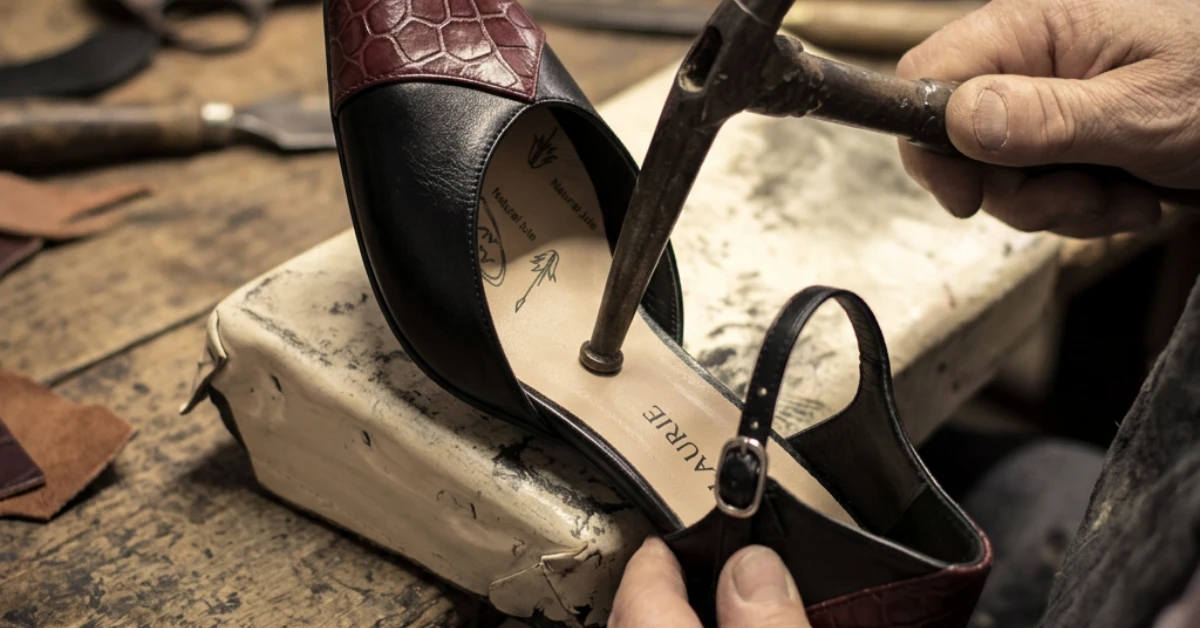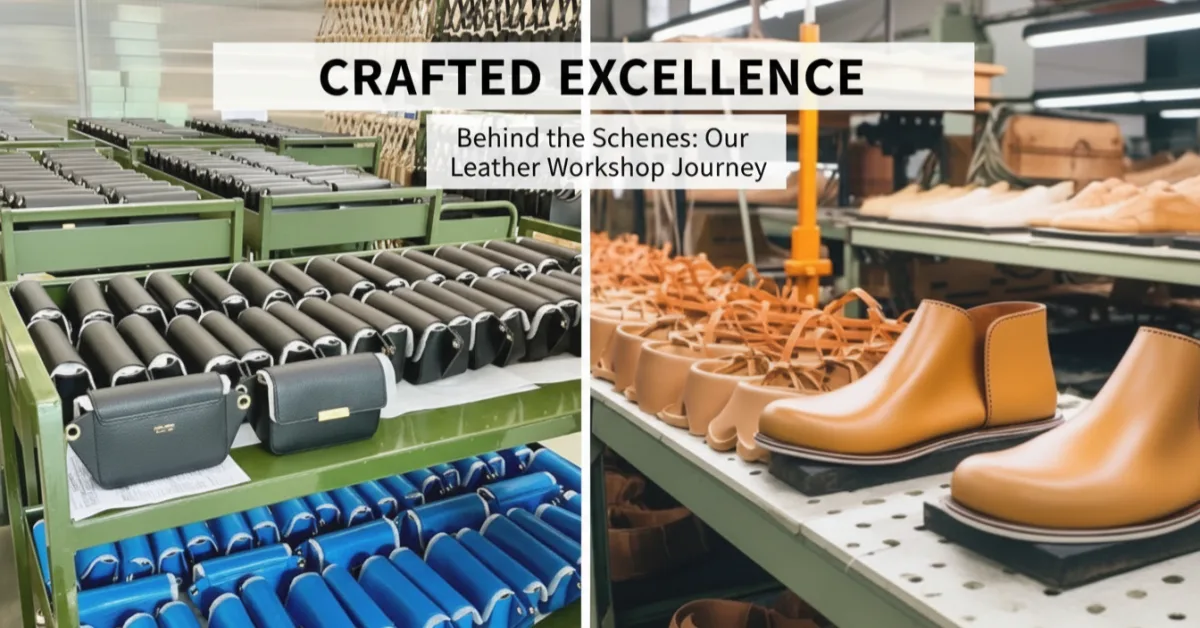

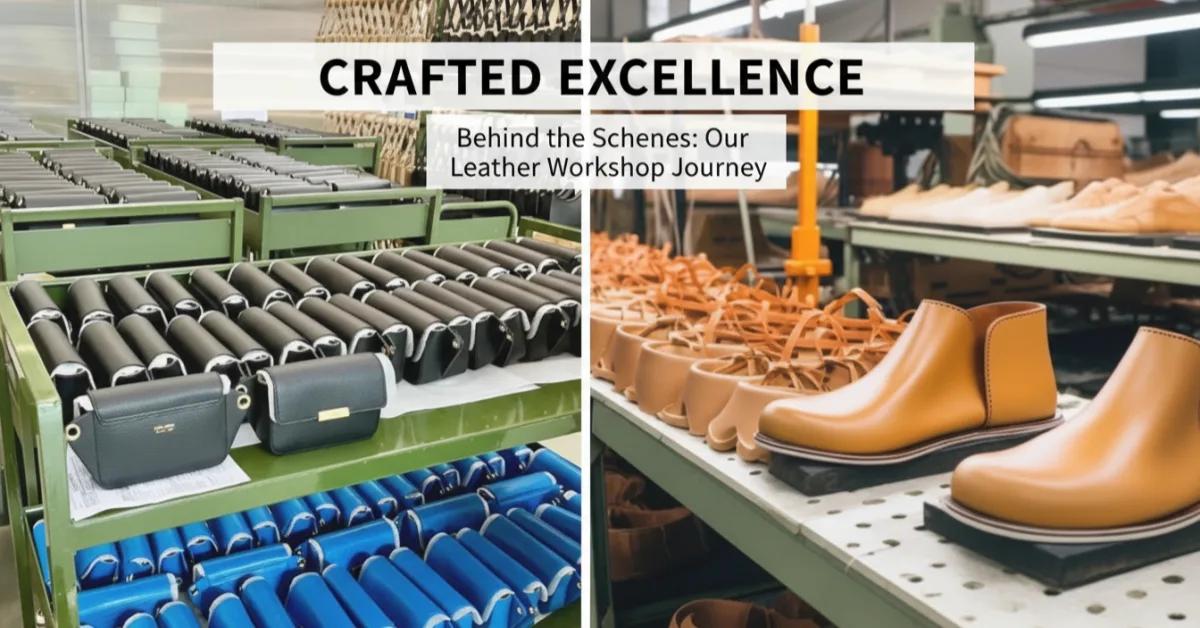
How Custom Shoe Manufacturers and Private Label Bag Factories Are Reshaping the Global Market
The global footwear and bag industry in 2026 is undergoing a structural reset.
Brands are no longer competing solely on design aesthetics. Instead, competitive advantage is increasingly defined by manufacturing agility, development capability, and supply chain intelligence.
Search behavior reflects this shift. Terms such as:
-
private label bag manufacturer
-
low MOQ footwear manufacturer
-
OEM handbag factory
-
sustainable shoe manufacturer
-
custom heel mold factory
are growing steadily in B2B search demand.
This report analyzes the real manufacturing trends shaping global footwear and bag production in 2026—and what international brands now expect from their OEM and ODM partners.
The Rise of Low MOQ & Small Batch Footwear Manufacturing
One of the most significant shifts in 2026 is the normalization of small batch production.
Brands increasingly prefer:
-
50–300 pairs per style
-
Controlled test launches
-
Capsule collections
-
Fast replenishment cycles
Instead of placing large-volume seasonal orders, brands now validate market demand before scaling.
This is why searches for low MOQ shoe manufacturers and small batch bag factories continue to rise globally.
Manufacturing Implications
Factories must now support:
-
Multi-SKU production in parallel
-
Flexible material inventory systems
-
Faster sample development cycles (20–30 days)
-
Rapid reorder capability (4–6 weeks)
Traditional volume-based factories struggle in this model. Agile custom shoe manufacturers are gaining an advantage.
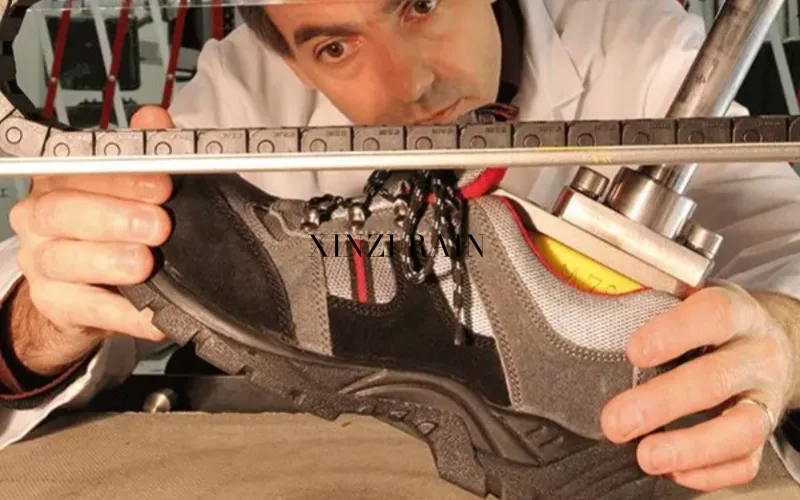
Custom Development Becomes the Core Differentiator
In previous years, brands primarily asked for pricing and minimum order quantities.
In 2026, the questions are different:
-
Can you develop custom shoe molds?
-
Do you offer heel mold customization?
-
Can you adjust the last shapes for specific markets?
-
Can you engineer structural improvements?
-
Can you optimize materials without increasing cost?
This marks a shift from transactional OEM production to collaborative product engineering.
The term OEM shoe manufacturer now implies much more than assembly—it means development capability.
For bag production, similar expectations exist:
-
Custom hardware mold development
-
Reinforced structural stitching
-
Pattern grading for size consistency
-
Prototype iteration support
A modern private label bag manufacturer must function as a development partner, not just a production line.
Luxury + Function Hybrid Design
Consumers globally now demand products that combine aesthetic sophistication with measurable functionality.
In Footwear Manufacturing
Growing demand includes:
-
Replaceable moisture-absorbing insoles
-
Anti-sweat lining structures
-
Lightweight EVA midsole integration
-
Shock absorption layering
-
Structural heel stability systems
Search trends for “comfortable high heels manufacturer” and “ergonomic shoe factory” are increasing—particularly in North America and the Middle East.
High-end no longer means fragile. It means engineered comfort.
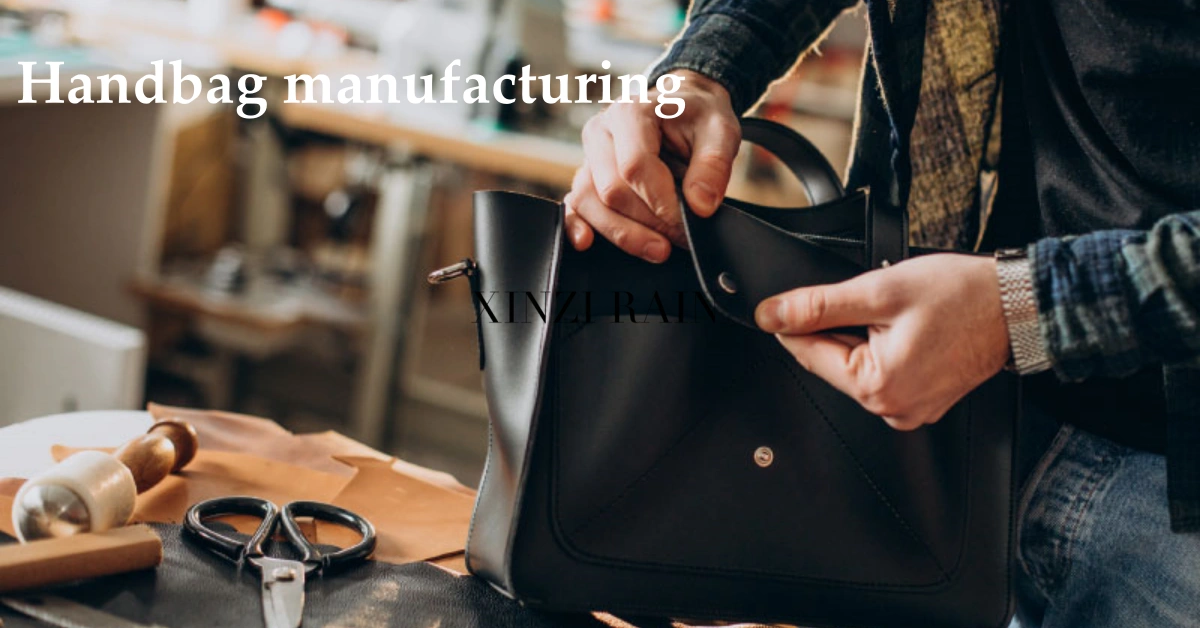
In Handbag Manufacturing
Modern bag production now emphasizes:
-
Modular compartments
-
Convertible straps
-
Weight reduction engineering
-
Reinforced stress-point design
-
Durable hardware integration
An advanced OEM handbag factory must integrate design with structural durability.
Sustainable Shoe & Bag Manufacturing Moves to Compliance-Based Systems
Sustainability in 2026 is no longer marketing-driven. It is compliance-driven.
European and US buyers increasingly request:
-
LWG-certified leather
-
REACH-compliant materials
-
Recycled nylon documentation
-
Traceable supply chains
-
Controlled chemical usage records
Search demand for “sustainable shoe manufacturer” and “eco-friendly bag factory” reflects this evolution.
Manufacturers without certification transparency risk losing export opportunities.
This shift particularly affects:
-
Leather shoe manufacturers exporting to Europe
-
Custom handbag manufacturers targeting Scandinavian markets
-
Private label footwear brands seeking ESG alignment
Sustainability is becoming a qualification standard, not a premium add-on.
Category Shifts: Comfort-Driven Silhouettes
Global category data suggests structural movement toward comfort-focused designs.
High-growth segments include:
-
Refined clogs manufacturer demand
-
Structured Mary Jane production
-
Low block heel manufacturing
-
Hybrid loafer heels
-
Lightweight boot engineering
Ultra-high heel production has not returned to pre-2019 volumes. Instead, demand is shifting toward wearable luxury.
Manufacturers must invest in:
-
Last calibration systems
-
Foot arch support engineering
-
Insole development innovation
-
Material weight optimization
Factories that specialize in women's shoe manufacturing with structural development capacity are positioned for long-term growth.
Supply Chain Rebalancing & China’s Technical Advantage
Nearshoring remains part of the global conversation.
Some US brands test production in Mexico.
Some EU brands source mid-range products from Turkey or Portugal.
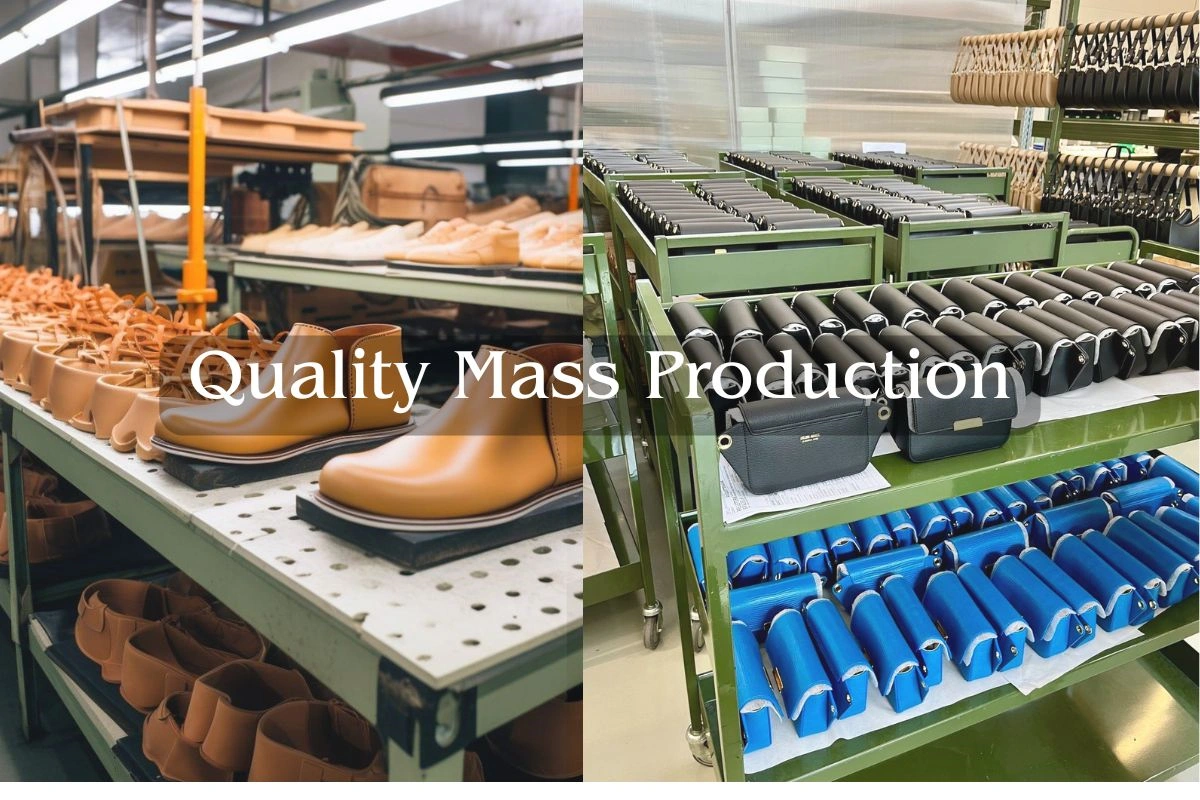
However, complex custom footwear manufacturing and advanced handbag development frequently return to China due to:
-
Mold development infrastructure
-
Skilled pattern engineers
-
Material sourcing networks
-
Multi-category production integration
China’s manufacturing model is shifting from volume-based pricing to high-complexity engineering.
This is particularly evident in:
-
Custom sneaker manufacturers
-
Private label heel factories
-
OEM boot production facilities
High-complexity design projects continue to favor technically advanced factories.
Digital Procurement & Factory Transparency
Modern B2B buyers evaluate manufacturers online before making inquiries.
They assess:
-
Website professionalism
-
Process transparency
-
Production workflow explanation
-
Certification documentation
-
Case study depth
Search terms like “best shoe manufacturer for startup brand” or “private label bag manufacturer in China” reflect this digital-first sourcing behavior.
Factories must demonstrate:
-
End-to-end custom shoe process
-
Clear development workflow
-
Structured quality control systems
-
Global export experience
Transparency directly impacts inquiry quality.
Cost Optimization Through Material Engineering
Inflationary pressures remain relevant in 2026.
Brands increasingly request:
-
Alternative leather options
-
Hardware cost optimization
-
Shared outsole mold systems
-
Material substitution analysis
-
Design simplification without quality loss
Manufacturers that provide proactive cost engineering consultation improve client retention.
The future of footwear manufacturing is not only about production—it is about intelligent product development.
2026–2027 Outlook
The footwear and bag industry is entering a structural competition phase.
Winning manufacturers will be those who offer:
-
Low MOQ flexibility
-
Custom mold development
-
Sustainable material compliance
-
Fast sample turnaround
-
Engineering-driven collaboration
-
Scalable small-batch production
Brands will increasingly choose partners based on development intelligence, not just pricing.
Industry Perspective: Where XINZIRAIN Fits
As a China-based custom shoe manufacturer and private label bag manufacturer serving Europe, North America, and the Middle East, XINZIRAIN operates within this structural evolution.
With capabilities including:
-
Custom heel mold development
-
Low MOQ footwear production (starting from 50 pairs)
-
In-house pattern engineering
-
LWG-compliant material sourcing
-
Multi-category shoe and bag manufacturing integration
-
Full OEM/ODM development support
XINZIRAIN aligns with the 2026 manufacturing model: flexible, engineering-driven, and export-oriented.
For global brands seeking a long-term custom footwear and handbag manufacturing partner, structural capability—not scale alone—defines success in the current cycle.