
Is Sustainable Footwear and Bag Manufacturing the Future of Fashion?

Is Sustainable Footwear and Bag Manufacturing the Future of Fashion?

blog avatar

Written by

XINZIRAIN

Published
October 13, 2025
  • Manufacturing & Supply
  • Sustainability

Follow us

Is Sustainable Footwear and Bag Manufacturing the Future of Fashion?

In today’s rapidly evolving fashion landscape, sustainability has become not just an option but a necessity. From footwear to handbags, brands and manufacturers are rethinking how products are designed, produced, and distributed — aiming to reduce environmental impact while preserving aesthetics, quality, and performance.


The Rise of Conscious Manufacturing

According to McKinsey & Company’s “State of Fashion 2025” report, nearly 70% of global fashion executives list sustainability as one of their top five strategic priorities.

This growing awareness is transforming the footwear and bag manufacturing industries, driving the adoption of eco-friendly materials, cleaner production processes, and traceable supply chains.

Leading manufacturers are integrating renewable energy systems, waste-reduction technologies, and water-based adhesives, while optimizing each stage of production for greater efficiency.
These changes not only align with global environmental goals but also enhance cost efficiency and compliance with the sustainability standards demanded by international buyers.
Materials Defining the Future

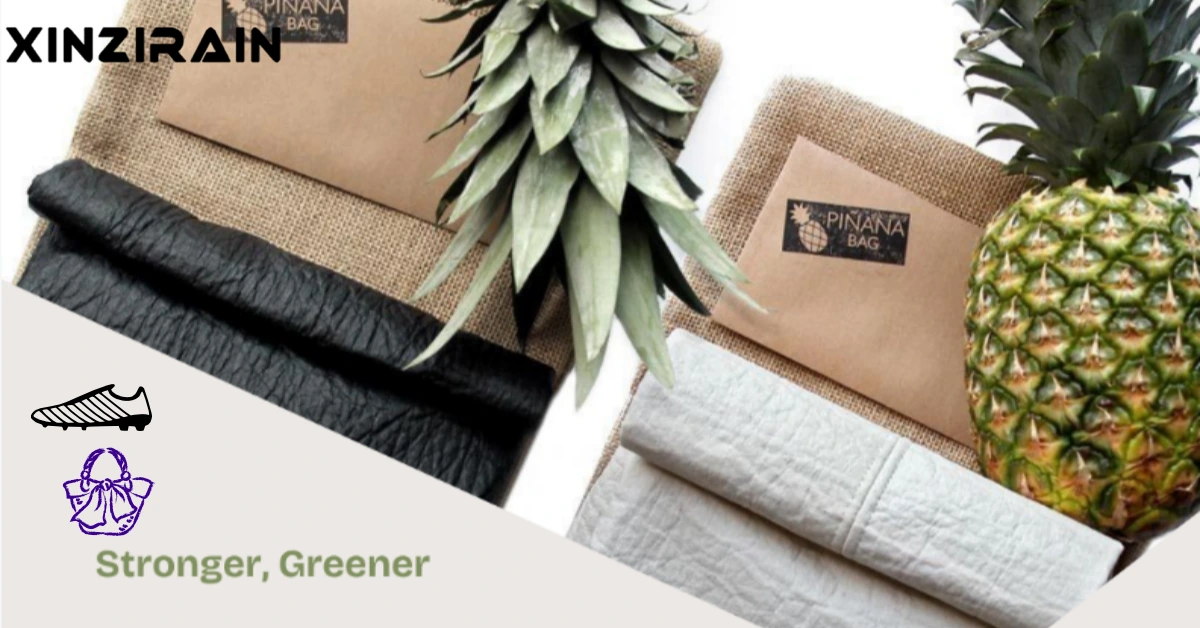
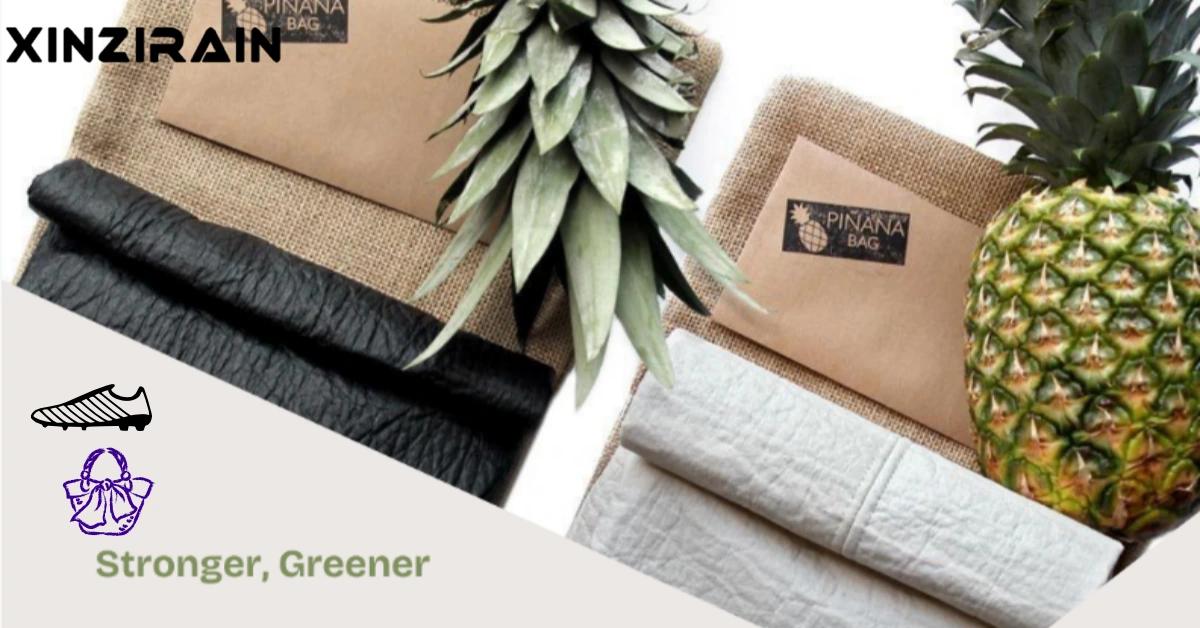
The journey toward sustainable manufacturing begins with materials.
According to Textile Exchange’s Preferred Fiber and Materials Market Report 2024, the use of recycled polyester and organic cotton grew by more than 30% year over year across the fashion industry.

In footwear and accessories manufacturing, key material trends include:

  • Recycled rubber and EVA for outsoles and midsoles

  • LWG-certified leathers and vegan leather alternatives derived from plant or bio-based sources

  • Organic cotton linings and recycled nylon fabrics for bags

These material innovations significantly reduce the consumption of virgin resources and lower carbon emissions throughout the supply chain.

Designing for Durability and Circularity

Durability has become the cornerstone of sustainable fashion.
A 2024 Vogue Business consumer survey found that 65% of Western consumers now prioritize product durability over trend-based purchases.

For footwear and bag manufacturers, this shift means focusing on:

  • Timeless design and modular construction

  • Repairable and recyclable components

  • Lifecycle assessment (LCA) to measure long-term environmental impact

The goal is not only to reduce waste but to extend product lifespans — shifting the industry mindset from fast fashion to lasting craftsmanship.

Technology and Traceability in the Supply Chain

Digitalization is redefining how sustainability is managed.
The integration of AI-driven supply chain monitoring, blockchain-based traceability, and digital product passports allows brands to achieve full transparency — from raw material sourcing to end-of-life recycling.

According to PwC’s Global Supply Chain Survey 2024, more than 50% of manufacturers plan to implement digital sustainability tracking systems by 2026.
This reflects the increasing global demand for ethical accountability and traceable production practices.

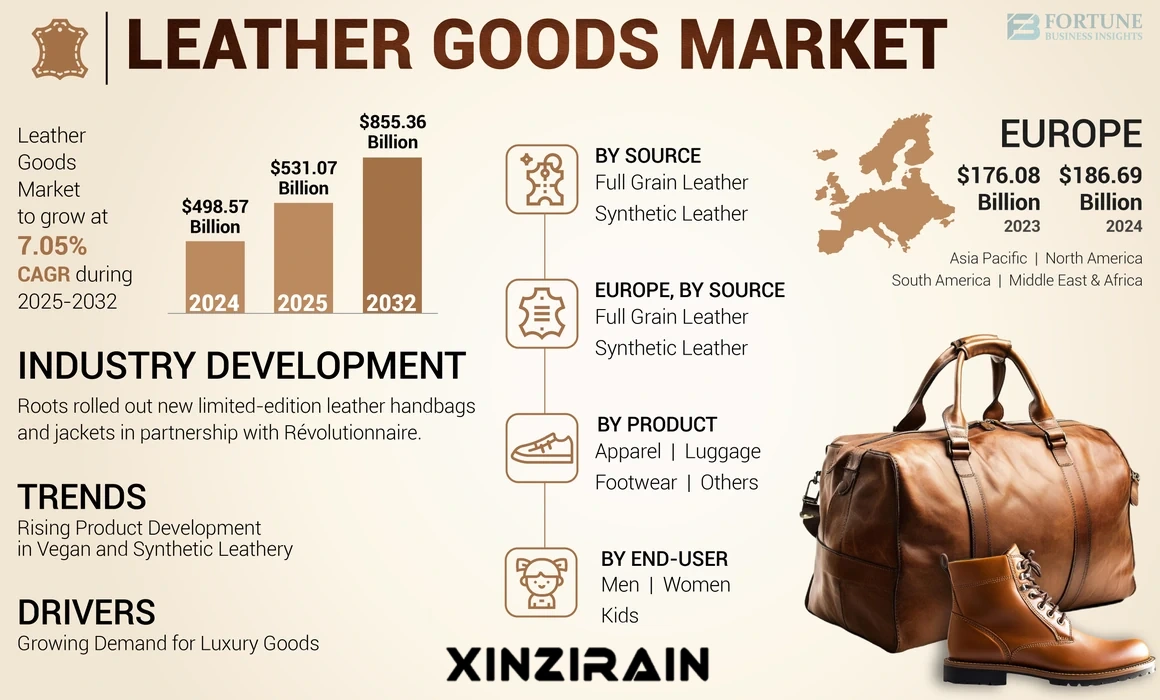
Market Outlook: Growth Driven by Responsibility

Despite challenges such as higher material costs and fragmented supplier networks, the sustainable footwear and accessories market continues to grow steadily.

Grand View Research (2024) projects that the global sustainable footwear market will reach USD 14.3 billion by 2030, expanding at a 6.5% CAGR, driven by material innovation and rising consumer demand for ethical fashion.

Likewise, the eco-friendly bags segment is expected to grow at a 7.2% CAGR through 2030, as brands increasingly align with ESG standards and retail partners demand greater sourcing transparency.
The Road Ahead: Collaboration and Innovation

True sustainability requires collaboration across the value chain — from suppliers and factories to brands and consumers.
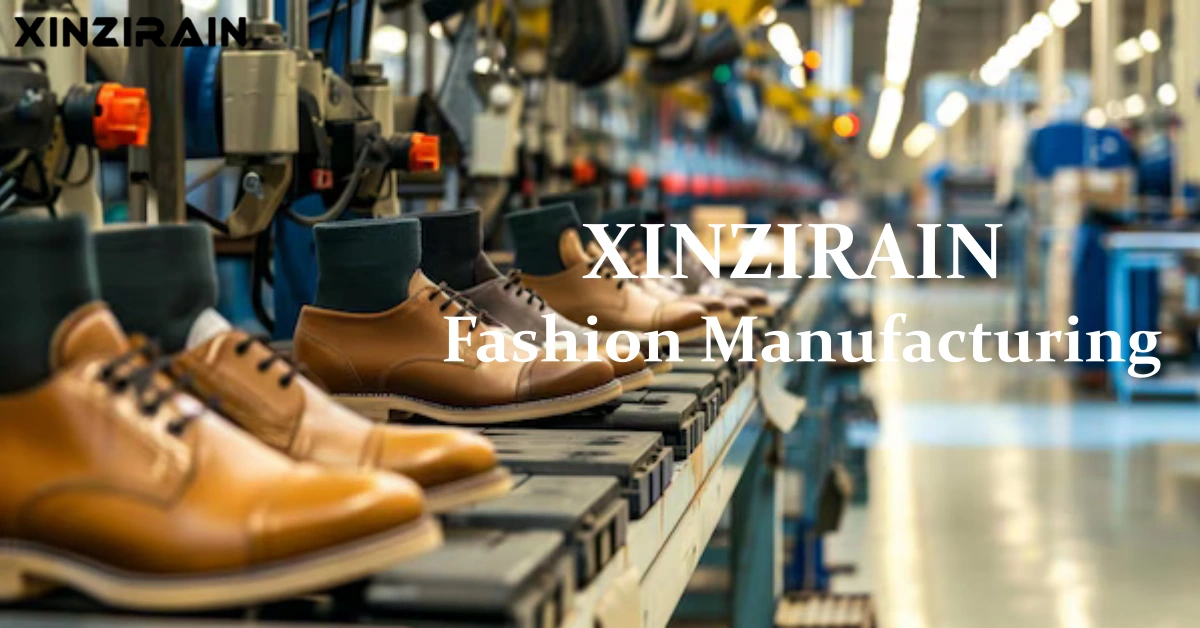
Manufacturers like XINZIRAIN are leading this transformation by integrating sustainable materials, ethical production systems, and long-term design thinking into every project.

As sustainability becomes the new benchmark for quality, eco-conscious manufacturing is not only shaping the future of the footwear and bag industry — it is defining it.
XINZIRAIN:Disclaimer

The content above is provided by XINZIRAIN for informational purposes. Unauthorized reproduction is prohibited. See our full disclaimer here

Featured Blogs

Why Do Timeless Dress Shoes Still Depend on OEM Manufacturing?

Why Do Timeless Dress Shoes Still Depend on OEM Manufacturing?

Timeless dress shoes demand consistency, craftsmanship, and long-term thinking. This article explores why OEM manufacturing remains essential for formal footwear brands—from leather selection and construction to sustainability and brand trust—through a strategic, brand-first perspective.

Read More
Why China Is the World’s Leading Handbag Manufacturing Hub

Why China Is the World’s Leading Handbag Manufacturing Hub

China is the world’s leading handbag manufacturing hub due to its complete supply chain, skilled craftsmanship, flexible OEM and ODM services, and ability to scale for global brands. From material sourcing and hardware production to quality control and logistics, China offers unmatched efficiency and reliability. This article explains why brands—from startups to luxury labels—continue to choose China as their long-term handbag manufacturing partner.

Read More
Create Your Own Shoe Brand: A Practical Guide from Concept to Scalable Production

Create Your Own Shoe Brand: A Practical Guide from Concept to Scalable Production

Creating your own shoe brand requires more than design ideas—it demands strategic positioning, reliable manufacturing, and long-term scalability. This guide explains how to build a shoe brand from concept to production, covering design development, custom shoe manufacturing, quality control, and market validation. Written for founders, designers, and growing brands, it reveals how working with the right custom shoe manufacturer in China helps reduce risk, control quality, and turn footwear ideas into commercially successful products.

Read More
Weekend Bag vs Travel Bag: What’s the Difference and Which One Does Your Brand Need?

Weekend Bag vs Travel Bag: What’s the Difference and Which One Does Your Brand Need?

This guide explains the key differences between weekend bags and travel bags from a brand and manufacturing perspective. It covers usage scenarios, design structures, materials, and capacity considerations to help brands choose the right product direction. The article also explores how manufacturing decisions impact positioning, pricing, and long-term performance. Designed for fashion brands, buyers, and product developers, it highlights how Xinzirain supports custom weekend bag and travel bag development through professional design guidance and ODM manufacturing services.

Read More
From Screen to Street: What FENDI’s Emily in Paris Capsule Teaches Emerging Handbag Brands

From Screen to Street: What FENDI’s Emily in Paris Capsule Teaches Emerging Handbag Brands

This article explores how custom handbag ODM enables fashion brands to transform design vision into scalable, luxury-ready products. Using FENDI’s Emily in Paris capsule as a reference, it highlights the importance of craftsmanship, storytelling, and manufacturing discipline in modern handbag development. The guide explains why ODM is increasingly favored by emerging and premium brands seeking efficiency, consistency, and long-term value. It also introduces Xinzirain’s client-first approach to custom handbag ODM, supporting brands from design strategy to production and post-launch growth.

Read More
26/27 Autumn Winter Casual Footwear Trends

26/27 Autumn Winter Casual Footwear Trends

The 26/27 Autumn Winter season marks a major shift in casual footwear manufacturing. Platform soles, seasonless comfort, and heritage silhouettes rebuilt for modern markets are driving global demand. This report provides B2B brands with practical insights into custom casual shoe manufacturing, private label footwear manufacturing, and scalable production strategies for Europe and North America.

Read More