
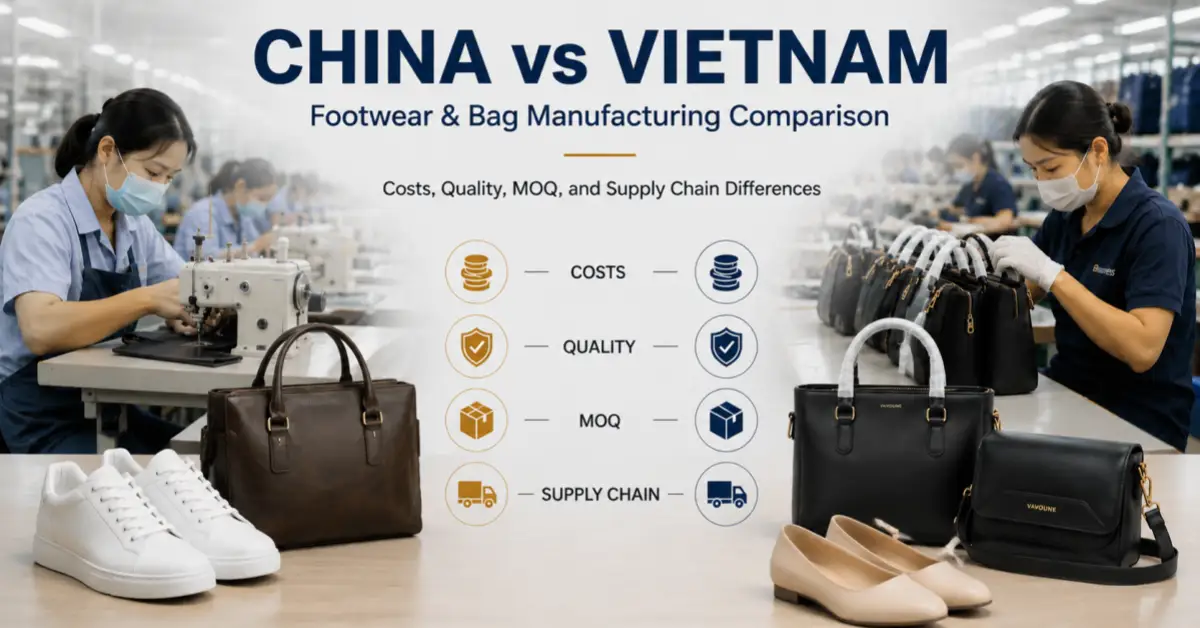

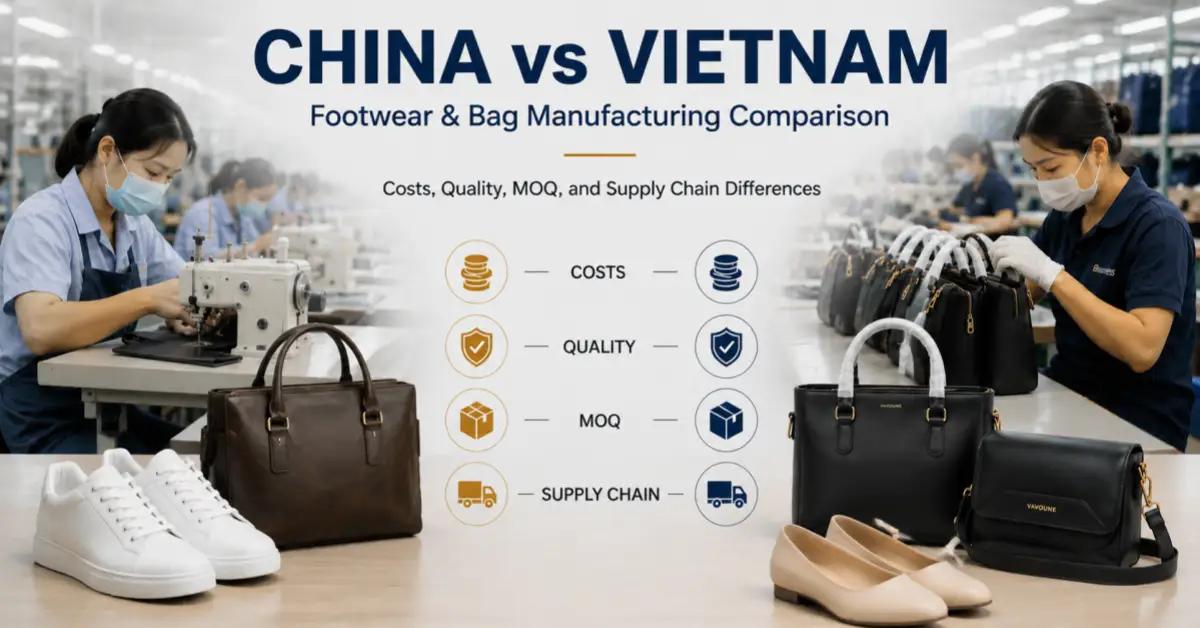
China vs Vietnam Manufacturing Comparison
China and Vietnam are two of the most important manufacturing hubs for footwear and bags. While many brands are exploring Vietnam as an alternative sourcing destination, the reality is more nuanced than simply comparing labor costs.
Over the past several years, I have reviewed production projects sourced from both China and Vietnam. Some projects involved startup brands producing their first collection. Others involved established brands moving production between countries in search of lower costs.
What I consistently found was that manufacturing success rarely depends on labor rates alone. Product development capability, supply chain depth, quality control systems, and production flexibility often have a greater impact on the final result.
Before deciding where to manufacture your footwear or bags, it is important to understand how these two manufacturing ecosystems actually operate.
Executive Summary
For most footwear and bag brands:
- China offers stronger product development capabilities.
- China provides a more complete supply chain ecosystem.
- Vietnam may offer labor cost advantages on certain large-volume projects.
- China generally supports faster sampling and development cycles.
- Vietnam often depends on imported materials from China.
- China is usually a better option for startups and private label brands.
- Vietnam becomes more competitive when production volumes are very large and designs are relatively standardized.
The best choice depends on your product complexity, order volume, launch timeline, and long-term growth plans.

The Challenge Many Brands Face
A few months ago, I reviewed a project from a growing fashion accessories brand.
Their team initially believed that moving production from China to Vietnam would significantly reduce costs.
On paper, the decision looked reasonable.
Labor costs appeared lower.
Several sourcing consultants recommended Vietnam.
The management team expected immediate savings.
However, after reviewing their development records, supplier communications, and production schedules, a different picture emerged.
The actual challenge was not manufacturing cost.
The challenge was maintaining product quality while keeping development speed and supply chain stability.
Factory Assessment: What We Found
After reviewing the project, several issues became obvious.
Material Availability
Many specialized materials used in the collection were still sourced from China.
This included:
- Leather
- Linings
- Metal hardware
- Zippers
- Packaging materials
Even though final assembly occurred in Vietnam, a significant portion of the supply chain remained connected to Chinese suppliers.
Development Delays
The client required multiple prototype revisions.
Every revision added additional communication cycles between suppliers, development teams, and material vendors.
As a result, development timelines became longer than expected.
Limited Supplier Network
The project involved custom hardware and specialized leather finishes.
Finding replacement suppliers proved difficult because local sourcing options were more limited than anticipated.
Cost Visibility Issues
Initial quotations appeared attractive.
However, additional logistics, development costs, and material transportation expenses gradually reduced the expected savings.
Why China Remains the Global Manufacturing Leader
Many buyers focus only on factory labor rates.
What they often overlook is the manufacturing ecosystem behind the factory.
China's biggest advantage is not labor.
Its biggest advantage is supply chain integration.
Step 1: Complete Supply Chain Integration
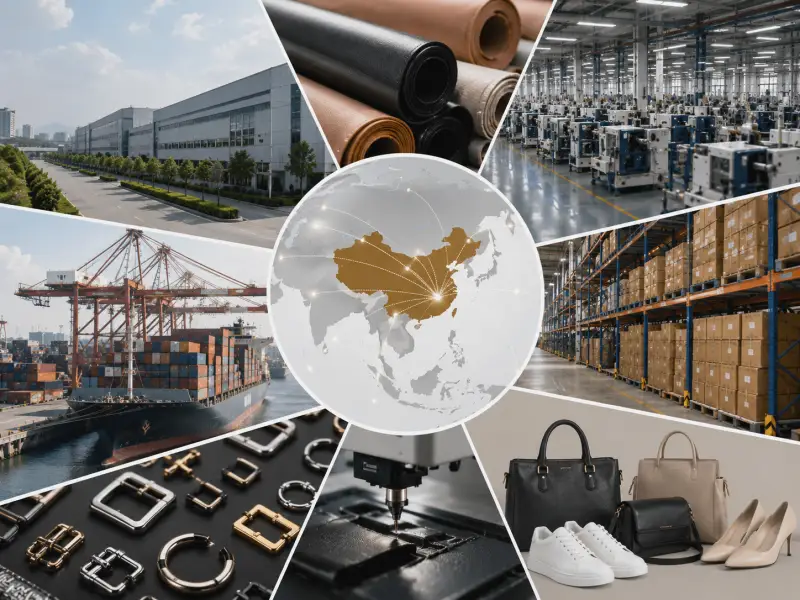
In major manufacturing regions such as Guangdong, Fujian, and Zhejiang, suppliers operate within highly connected industrial clusters.
Within a relatively small area, brands can access:
- Leather suppliers
- Fabric suppliers
- Hardware manufacturers
- Mold factories
- Packaging vendors
- Testing laboratories
- Logistics providers
This significantly reduces development time.
When changes are needed, suppliers can respond quickly.
Step 2: Faster Product Development
At HERRAINS, we regularly support brands that start with:
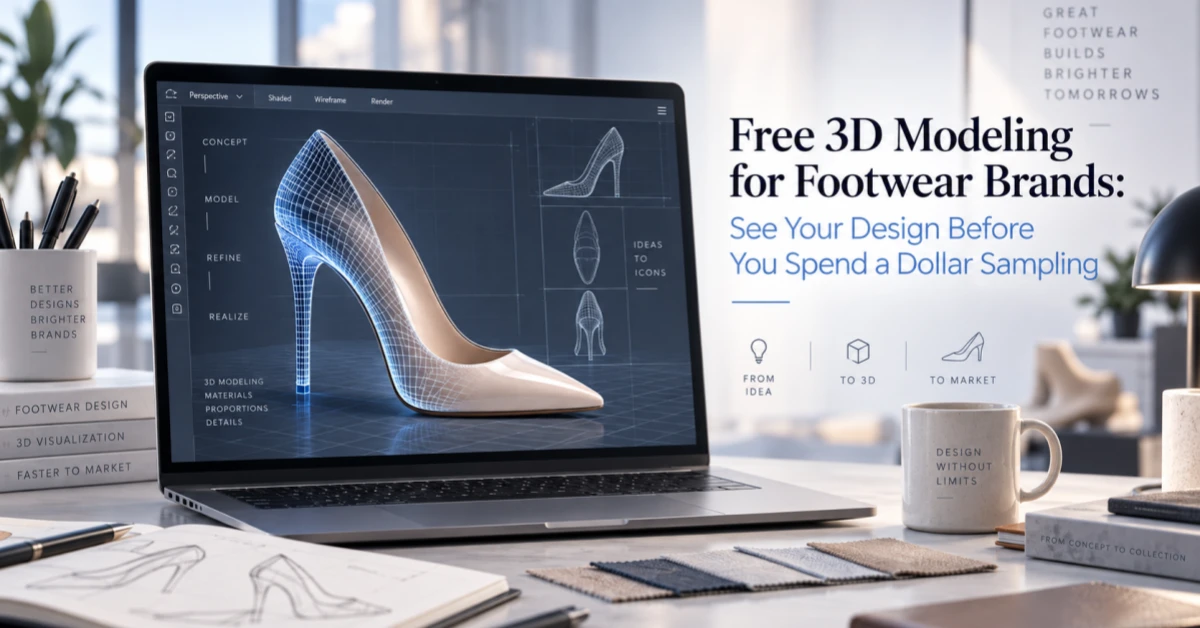
- AI-generated concepts
- Sketches
- Reference photos
- Early-stage prototypes
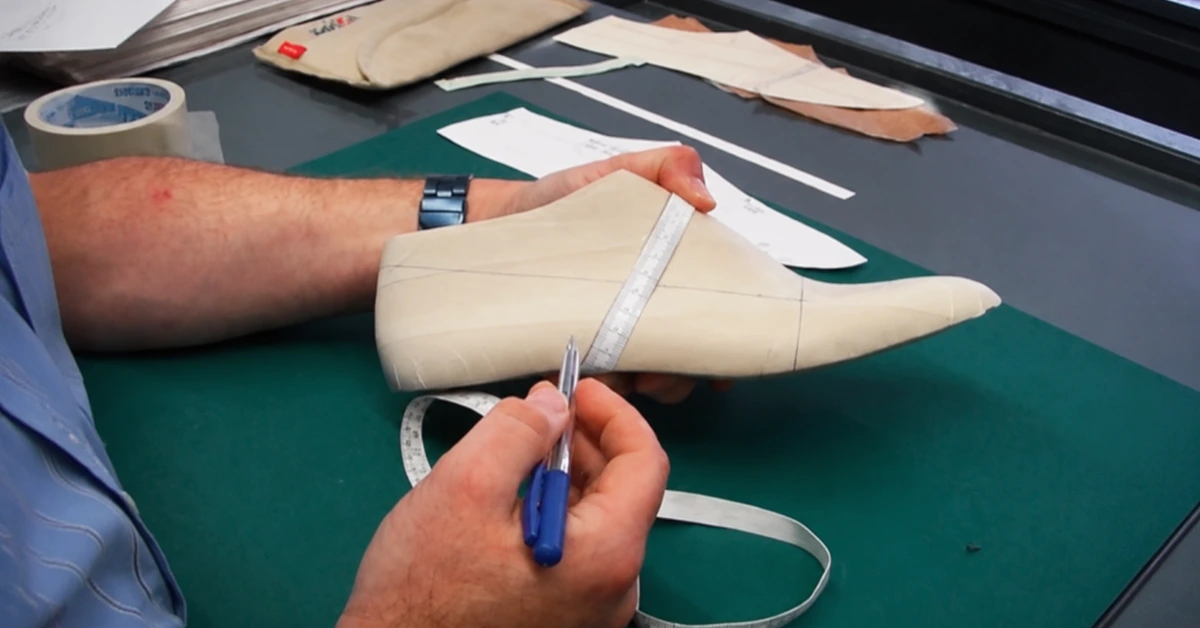
Transforming these concepts into production-ready products requires intensive development work.
This includes:
- Material sourcing
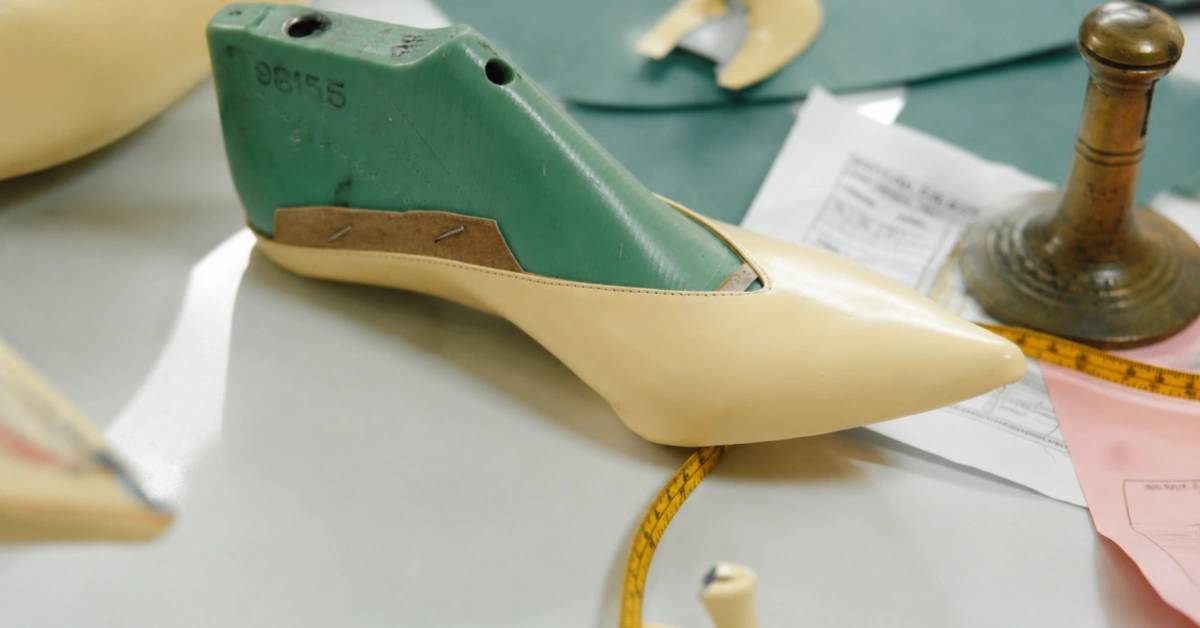
- Pattern development
- Tech pack creation
- Sample revisions
- Construction optimization
China's development ecosystem allows these processes to move efficiently.
For many projects, sample development can be completed within 20–25 days.
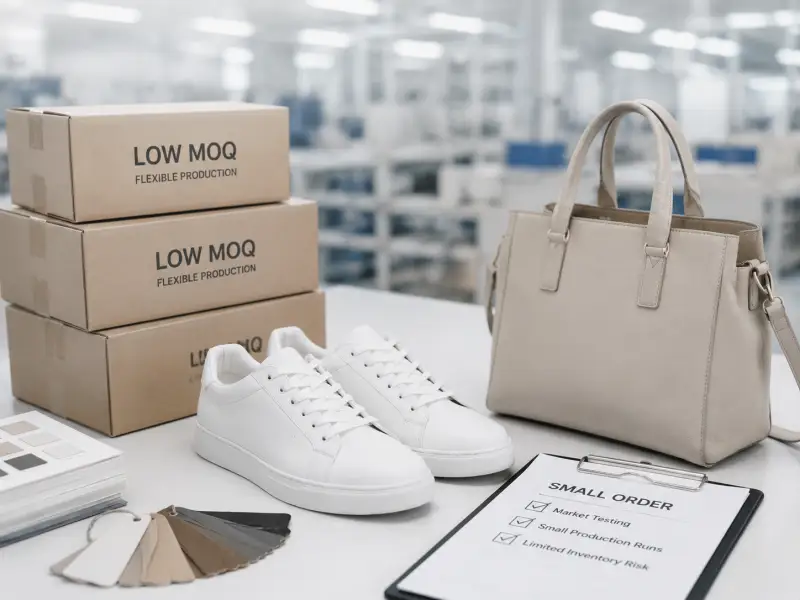
Step 3: Greater Flexibility for Low MOQ Production
One of the biggest differences I see between China and Vietnam involves MOQ flexibility.
Many startup brands need:
- Market testing
- Small production runs
- Limited inventory risk
China's mature supply chain often allows factories to support lower MOQ projects more efficiently.
This flexibility can be critical during the early stages of brand growth.
Where Vietnam Performs Well
Despite China's advantages, Vietnam remains an important manufacturing destination.
There are situations where Vietnam can be highly competitive.
Large Volume Production
When products are already fully developed and production processes are stable, Vietnam can be an effective option for large-scale manufacturing.
Examples include:
- Established sneaker programs
- Basic footwear collections
- High-volume bag production
In these situations, labor cost savings may become more meaningful.
Diversification Strategy
Many global brands use Vietnam as part of a broader sourcing strategy.
Instead of relying on a single country, they distribute production across multiple regions to reduce supply chain risk.
This approach can improve long-term resilience.
Quality Control Considerations
One misconception I frequently hear is that manufacturing quality depends entirely on the country.
In reality, quality depends on systems.
I have seen excellent factories and poor factories in both countries.
The key questions are:
- Does the factory have a documented QC process?
- Are inspections performed during production?
- Is material testing conducted?
- Are defects tracked and analyzed?
- Can the factory support corrective actions?
These factors have a much greater impact on quality than geography alone.
Before vs After: What Most Brands Actually Experience
| Factor | China | Vietnam |
|---|---|---|
| Product Development | Strong | Moderate |
| Supply Chain Integration | Excellent | Developing |
| Material Availability | Excellent | Moderate |
| Sampling Speed | Fast | Moderate |
| MOQ Flexibility | High | Lower |
| Large Scale Production | Strong | Strong |
| Custom Development | Excellent | Moderate |
| Startup Brand Support | Excellent | Moderate |
Verification
To validate these findings, I reviewed:
- Production records
- Supplier communications
- Sample development reports
- Material sourcing documentation
- Logistics schedules
- Factory audit records
Across multiple footwear and bag projects, the same pattern appeared repeatedly.
Brands seeking flexibility, faster development, and stronger product support generally benefited from China's integrated manufacturing ecosystem.
Brands producing large, standardized volumes sometimes found Vietnam to be a suitable complementary sourcing location.
Key Takeaways for Fashion Brands
Manufacturing Cost Is Not The Same As Total Cost
Lower labor rates do not always produce lower overall project costs.
Development delays, material sourcing challenges, and logistics expenses can offset apparent savings.
Supply Chain Depth Matters More Than Labor Costs
A complete manufacturing ecosystem often creates greater efficiency than labor cost advantages alone.
Startups Usually Need Development Support More Than Cheap Production
New brands typically benefit from suppliers that can assist with:
- Product development
- Material sourcing
- Sampling
- Quality control
- Production planning
China Remains The Strongest Option For Complex Customization
For custom footwear, private label bags, OEM development, and low MOQ production, China continues to offer significant advantages.

Why Brands Choose HERRAINS
HERRAINS, backed by XINZIRAIN's manufacturing experience, helps brands navigate global sourcing decisions through:
- OEM manufacturing
- ODM development
- Private label production
- Material sourcing
- Sample development
- Quality control
- Packaging solutions
- Global logistics support
Rather than acting as a vendor, we work as a long-term manufacturing partner to help brands reduce sourcing risks and accelerate growth.
Start Your Project
Whether you are comparing China and Vietnam, evaluating suppliers, or preparing to launch a new footwear or bag collection, our development team can help you assess the best manufacturing strategy for your business goals.
Send us your design, tech pack, reference photos, or AI-generated concept, and we'll help you determine the most efficient path from idea to production.