

The Most Common Problem in Custom Shoe Development
Many fashion brands assume that sending a design sketch or reference image is enough to get a perfect sample.
In reality, sample mismatch is one of the most common and costly problems in shoe manufacturing.
You may experience:
- The final sample looks different from your original design
- Materials feel cheaper than expected
- Fit and comfort are not aligned with your target market
- Colors are inconsistent or off-tone
These issues not only delay your launch but also increase development costs and frustration.
Why Do Shoe Samples Often Fail? (Quick Answer)
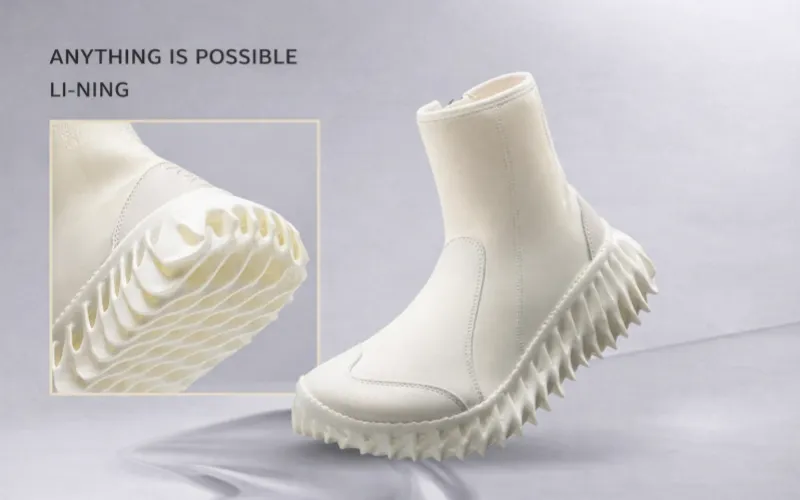
A shoe sample usually doesn’t match the design due to:
- Lack of clear technical specifications
- Incorrect material selection
- Mismatch between the last (shoe mold) and the design
- Poor communication during development
- No structured sample revision process
7 Reasons Why Your Shoe Sample Looks Different from Your Design
No Clear Tech Pack or Specifications
If you only provide images or rough sketches, manufacturers must interpret your idea.
Without clear details (dimensions, materials, structure), the result is often inconsistent with your vision.
Material Substitution Happens
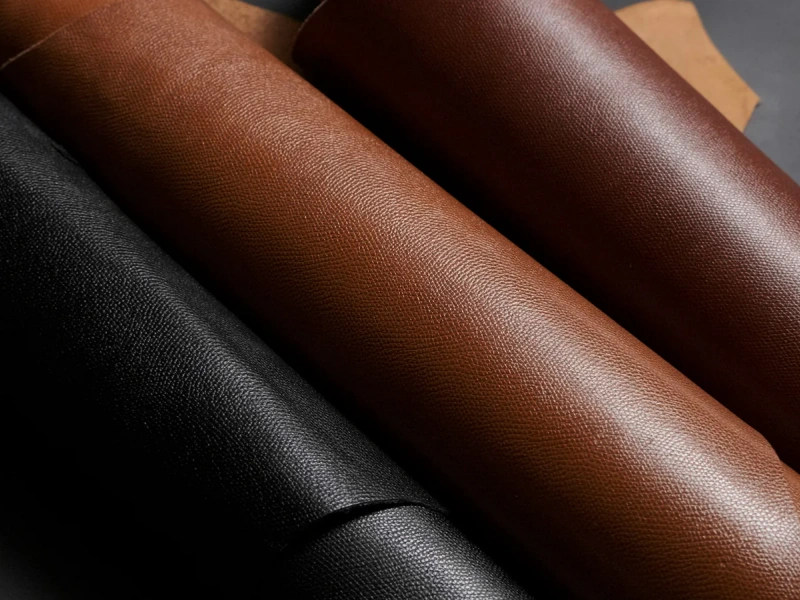
Sometimes factories replace materials due to availability or cost.
For example:
- Genuine leather → synthetic leather
- Premium suede → lower-grade alternatives
This directly affects texture, durability, and perceived value.
The Shoe Last Doesn’t Match Your Design
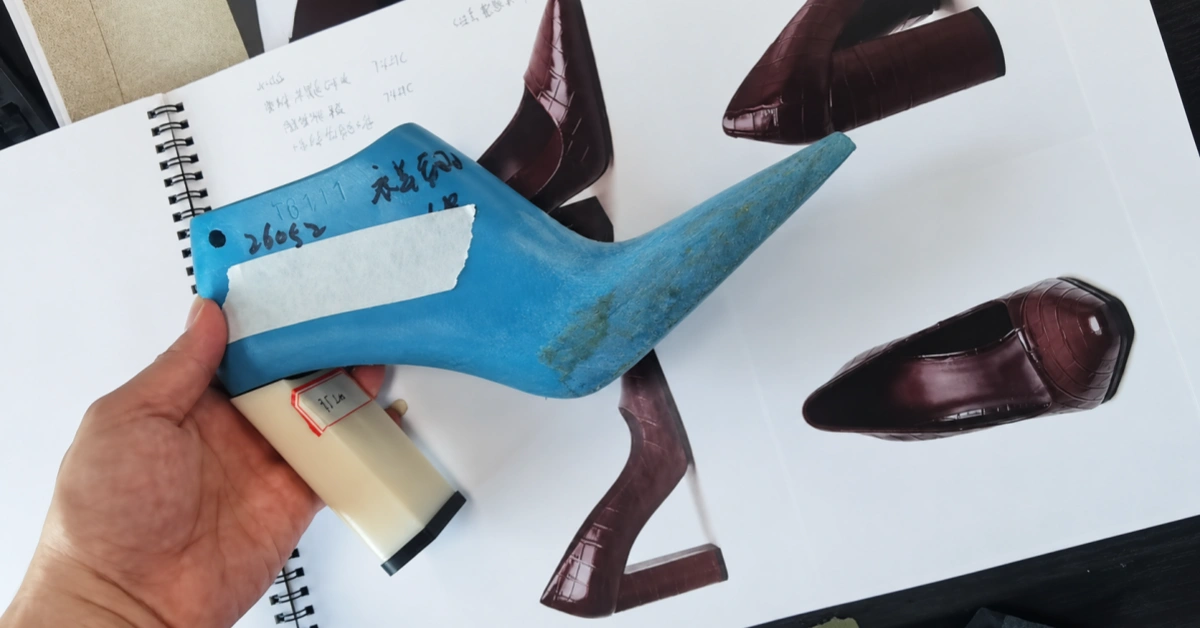
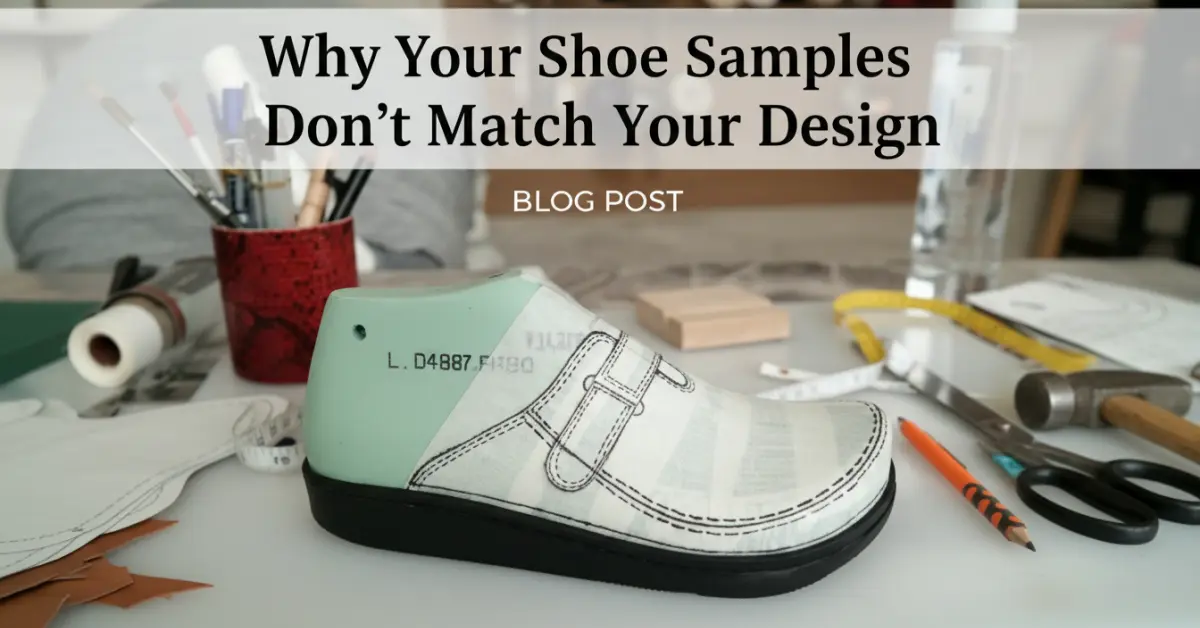
The last (shoe mold) determines the overall shape and fit.
If a standard last is used instead of a customized one:
- The silhouette changes
- The proportions look off
- The comfort level drops
Color Differences in Production
Color on screen or Pantone charts does not always match real material dyeing.
Lighting, material type, and finishing all impact the final color.
Design Is Not Structurally Feasible
Some designs look great visually but are difficult to manufacture.
Common issues:
- Heel instability
- Weak construction points
- Unrealistic material combinations
Poor Communication with the Manufacturer
Misunderstandings can occur due to:
- Language barriers
- Lack of visual references
- Incomplete feedback during revisions
No Clear Sample Revision Strategy
Many brands expect a perfect sample on the first try.
In reality, 1–2 rounds of revisions are standard in professional development.
Real Case: From Failed Sample to Production-Ready Design
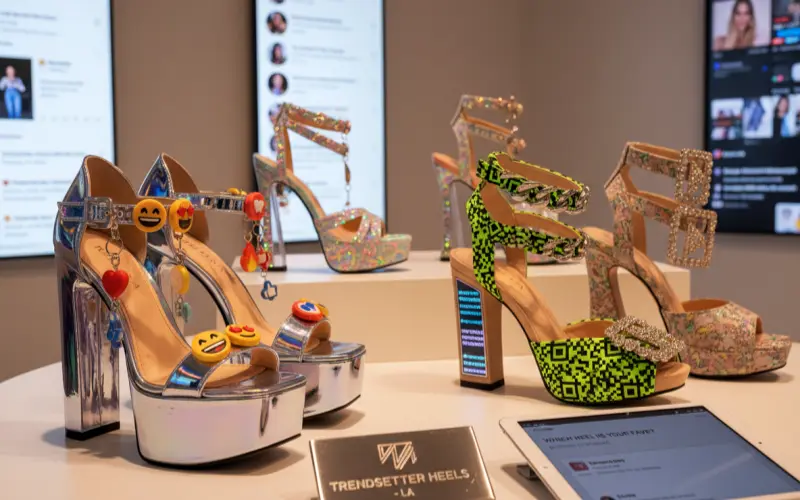
Client Background
A United States-based startup fashion brand wanted to develop a custom high-heel collection inspired by social media trends.
Initial Problem
Their first supplier delivered a sample with multiple issues:
- The heel structure was unstable
- Material looked low-end
- Fit was uncomfortable
- Color did not match the original design
What Went Wrong
- No detailed tech pack
- No material confirmation before production
- Standard last used instead of design-specific structure
- No structured revision process
How the Problem Was Solved
After switching to a more experienced development team, the following improvements were made:
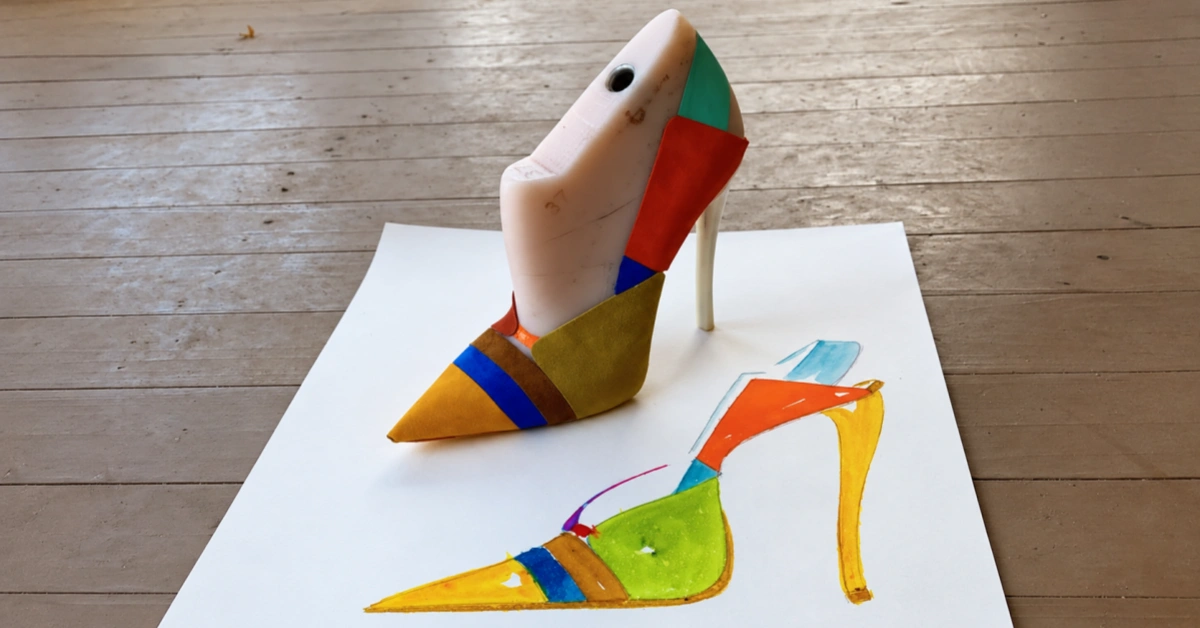
- Rebuilt the shoe last based on design proportions
- Confirmed material swatches before sampling
- Adjusted heel engineering for better balance
- Provided one-on-one design communication
- Implemented a structured sample revision process
Final Result
- Sample approved after two revisions
- Bulk production completed within 35 days
- The brand successfully launched its first collection
How to Ensure Your Shoe Samples Match Your Design
Provide Clear Design Inputs
At least one of the following:
- Tech pack
- Reference images
- Physical samples
Confirm Materials Before Sampling
Always approve:
- Leather or fabric type
- Color swatches
- Hardware details
Work with a Manufacturer That Offers Design Support
A reliable manufacturer should:
- Help refine your design
- Identify production risks early
- Suggest structural improvements
Plan for Sample Revisions
Professional development typically includes:
- First sample → evaluation
- Adjustments → second sample
- Final approval
Focus on Fit and Structure, Not Just Appearance
A good shoe is not only about looks:
- Comfort
- Balance
- Durability
These must be tested during sampling.
Final Thoughts
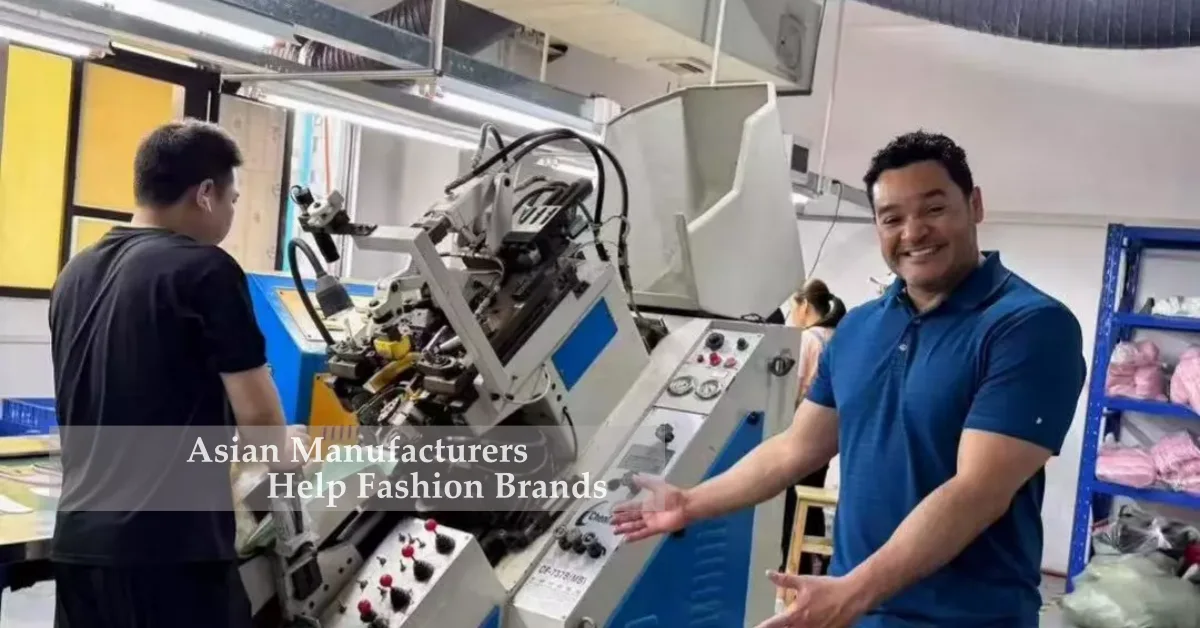
A successful shoe sample is not just about manufacturing — it’s about translating your design into a functional, wearable product.
Brands that understand the development process can:
- Reduce costs
- Shorten timelines
- Avoid repeated failures
Working with an experienced partner makes a significant difference in turning ideas into market-ready products.
About Our Manufacturing Expertise
XINZIRAIN is a brand with over two decades of experience in footwear and bag manufacturing, serving global clients across Europe and North America.
HERRAINS, as a sub-brand of XINZIRAIN, focuses on providing one-stop footwear and bag manufacturing solutions, covering the entire supply chain — from design support and material sourcing to sampling, bulk production, and global delivery.
With dedicated one-on-one development teams and flexible MOQ support, we help brands efficiently bring their ideas to life.
FAQ
What is a shoe sample in manufacturing?
A shoe sample is a prototype created before bulk production to test design, materials, fit, and construction.
Why does my sample look different from my design?
This usually happens due to missing technical details, incorrect materials, or a lack of communication during development.
How many sample revisions are normal?
Most professional projects require 1–2 sample revisions before final approval.
Can I develop shoes without a tech pack?
Yes. Many manufacturers can work with reference images or sketches, but providing more details improves accuracy.
How long does shoe sampling take?
Typically 15–25 working days, depending on design complexity.