

Introduction
Fashion has always been cyclical, but in 2026, animal prints are not simply returning—they are evolving.
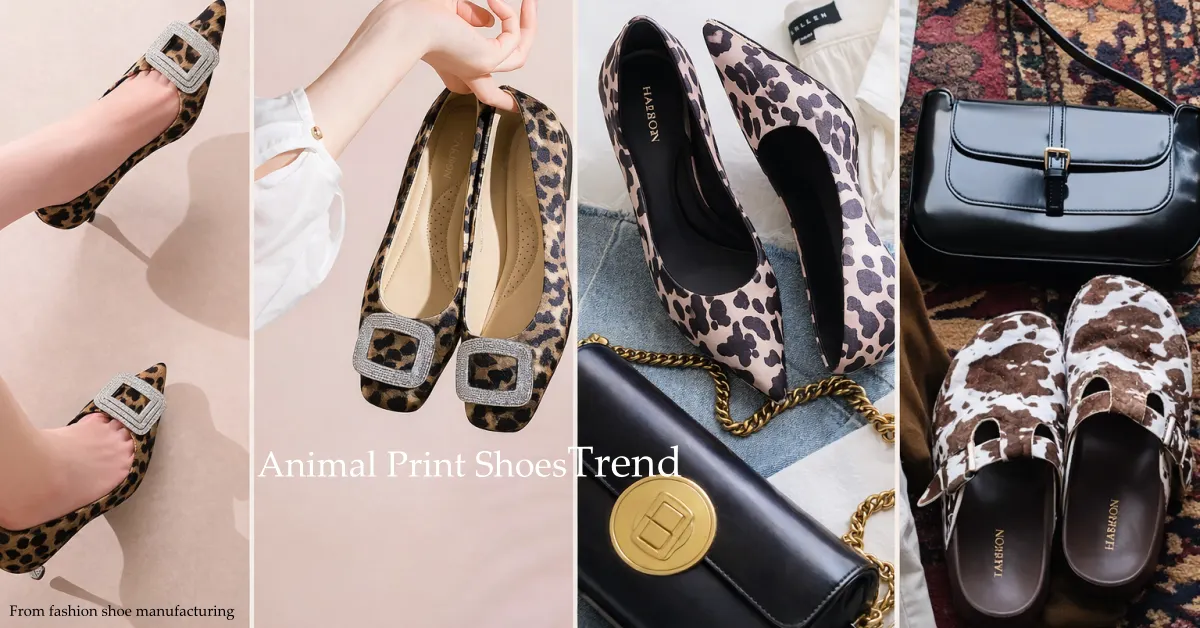
As consumers seek both comfort and individuality, animal print footwear has re-emerged as one of the most dynamic trends across global fashion markets. From Milan to Paris, and from luxury houses to sportswear brands, a new wave of “wild aesthetics” is reshaping footwear design.
Unlike previous cycles, animal prints today are no longer just bold statements. They are being reinterpreted through materials, silhouettes, and modern design language, making them more versatile and commercially viable.
Data-Driven Trend: Why Animal Prints Are Rising Again
Strong data insights support the resurgence of animal print footwear.
According to AI-driven fashion analytics company Heuritech, which analyzes millions of social media images:
-
Zebra print popularity in the US is expected to grow by 17%, especially among consumers aged 26–35
-
Cow print is forecasted to increase by 87% among women, making it one of the fastest-growing patterns for Spring/Summer 2026
Source: Heuritech Fashion Trend Analysis
Additionally, industry platform Apparel Resources reports that:
-
Zebra print and spotted patterns (including cow print) are among the top-performing animal prints for SS2026
These insights confirm that animal prints are not just aesthetic choices—they are backed by measurable consumer demand.
From Bold to Refined: The Evolution of Animal Print in Footwear
Animal prints are no longer limited to “wild” or “sexy” aesthetics.
Instead, brands are integrating them into:
-
clean silhouettes
-
minimalist structures
-
premium materials
This shift reflects a broader reaction against:
overly minimal “quiet luxury.”
overly rational and safe fashion choices
Today’s animal prints act as a controlled design accent, adding tension and personality without overwhelming the product.
Key Animal Print Styles to Watch in 2026
Cow Print: The Fastest Growing Trend
Cow print is emerging as the standout pattern for 2026.
Key characteristics:
-
high contrast patterns
-
playful yet modern aesthetic
-
strong visual identity
Often applied on:
-
pony hair leather
-
textured materials
-
casual and lifestyle footwear
Ideal for brands targeting younger consumers and trend-driven collections.
Zebra Print: Graphic and Contemporary
Zebra print offers a more structured and graphic look compared to other patterns.
Features:
-
clean black-and-white contrast
-
strong visual rhythm
-
adaptable across different styles
Zebra print works well in:
-
minimalist silhouettes
-
sporty footwear
-
statement lifestyle pieces
Leopard Print: The Timeless Bestseller
Leopard print remains one of the most consistent performers in fashion.
Advantages:
-
strong brand recognition
-
easy integration into multiple styles
-
proven commercial success
Unlike cow or zebra prints, leopard print is less trend-dependent and more evergreen.
How Leading Brands Are Interpreting Animal Prints
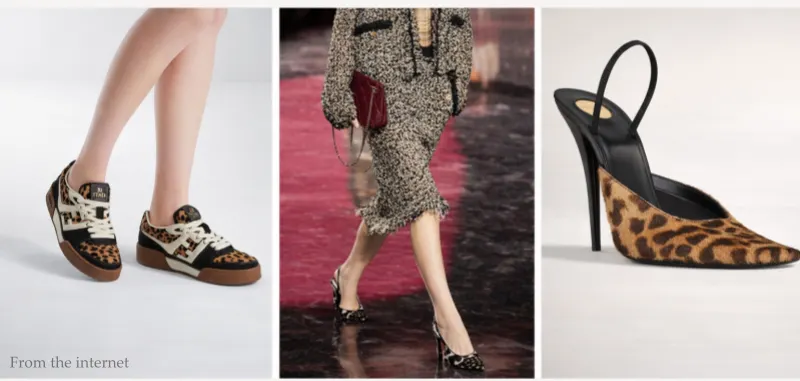
Luxury Brands: Material and Craftsmanship Focus
-
YSL introduced leopard-print slingback heels using pony hair leather
-
Chanel combined cow print uppers with leopard toe caps in slingback designs
-
FENDI experimented with mixed materials such as suede and pony hair
These approaches emphasize:
texture contrast
material innovation
craftsmanship
Contemporary Brands: Minimalism Meets Wild Aesthetics
-
Celine applied animal prints to minimalist loafers
-
clean silhouettes + subtle print application
This shows that:
Animal prints can be refined, not just bold
Sportswear Brands: Streetwear Adaptation
-
Adidas launched the “Leopard Magic” pack
-
New Balance introduced cow print sneakers
Key strategy:
Combine classic silhouettes with trend-driven materials
This approach has proven highly effective on social media platforms.
What This Means for Footwear Brands
The return of animal prints presents several opportunities.
Strong Visual Identity
Animal prints naturally stand out in crowded markets.
They help brands:
-
increase product differentiation
-
attract attention online
-
Enhance social media engagement
Flexible Product Application
Animal prints can be applied across:
This makes them suitable for both:
fashion collections
commercial product lines
Material-Driven Value
Using materials such as:
-
pony hair
-
suede
-
textured leather
adds perceived value and supports premium positioning.
Manufacturing Insight: How to Develop Animal Print Shoes
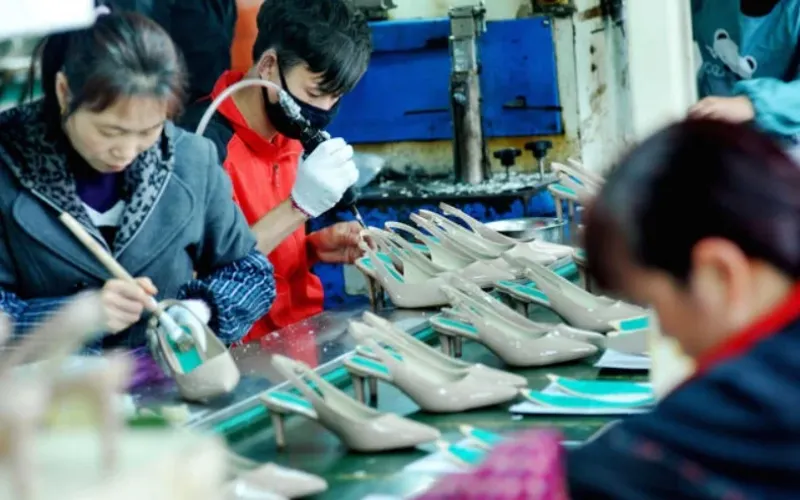
From a production perspective, animal print footwear requires careful planning.
Key considerations include:
Material Selection
-
pony hair leather for a premium feel
-
printed leather or synthetic alternatives for cost control
Pattern Placement
Precise pattern alignment is critical to:
-
maintain visual consistency
-
ensure product quality
Production Techniques
-
digital printing
-
embossing
-
material stitching and paneling
Each method affects cost, durability, and visual outcome.
How XINZIRAIN Supports Animal Print Shoe Development
As a professional custom shoe manufacturer, XINZIRAIN helps brands develop trend-driven footwear collections aligned with global market demand.
We support:
-
animal print material sourcing (pony hair, leather, synthetic options)
-
pattern development and sampling
-
custom design and private label production
-
low MOQ production for emerging brands
Our team works closely with clients to transform trend insights into market-ready products, balancing design, cost, and scalability.
Future Outlook: Which Animal Print Will Win?
While all three patterns are gaining traction, their roles differ:
-
Cow print → fastest growth, high trend potential
-
Zebra print → modern, graphic appeal
-
Leopard print → stable, evergreen bestseller
Rather than choosing one, successful brands are:
diversifying product lines
combining multiple patterns
adapting to different target markets
Conclusion
The return of animal print footwear in 2026 is not a simple revival—it represents a shift toward expressive, material-driven design.
Backed by data and embraced by both luxury and sportswear brands, animal prints are becoming a key element in modern footwear collections.
For brands, the challenge is not whether to adopt the trend—but how to interpret it in a way that aligns with their identity and market positioning.
Those who successfully combine trend insight, material innovation, and manufacturing expertise will be best positioned to capitalize on this growing demand.