
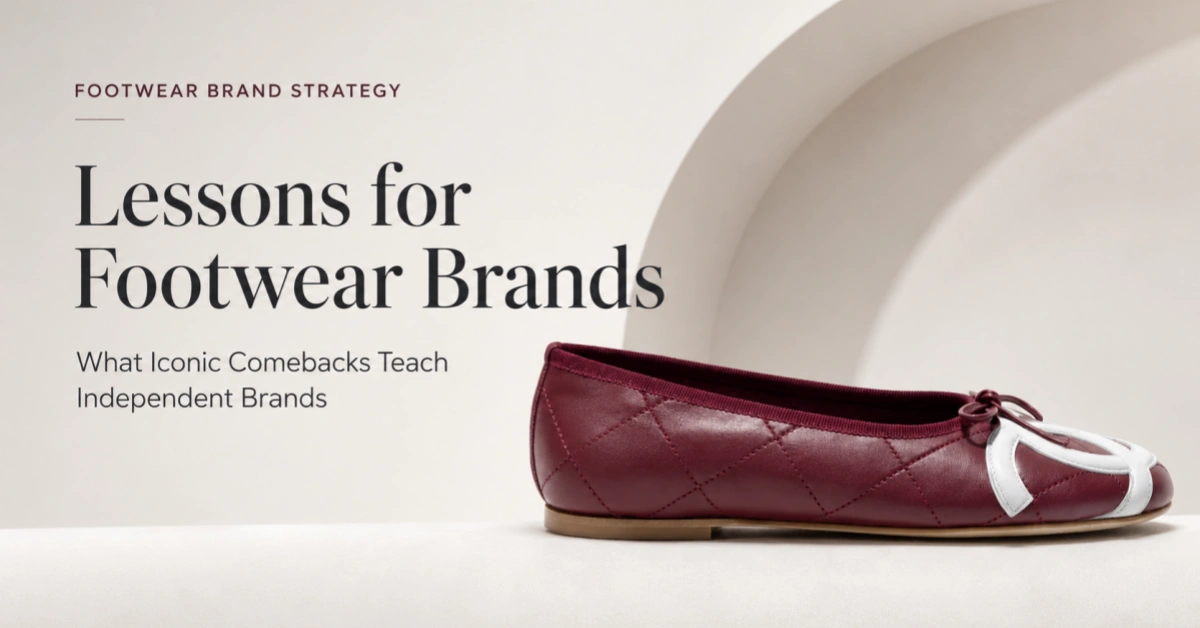


为什么 Chanel 的 Cambon 鞋履再次流行起来?
Chanel 的 Cambon 复兴反映了对经典鞋履、可识别的品牌代码以及对标志性设计的更新诠释的更广泛转变。对于独立鞋类品牌来说,关键的教训不是复制传统产品,而是开发独特的鞋子,将可识别的设计特征与现代材料、结构、舒适性和制造可行性相结合。
2026 年最大的时尚故事之一并不是全新品牌或全新廓形的到来。
Chanel 重返时尚话题的中心。
根据 2026 年第一季度 Lyst 指数,香奈儿被评为全球最热门品牌。对于鞋类行业来说特别有趣的是,鞋子在这一新的势头中发挥了重要作用,香奈儿高跟鞋跻身本季度最热门产品之列。
但头条新闻背后是对设计师和独立鞋履品牌来说更有用的问题:
与另一个时代相关的产品如何突然再次变得相关?
对 Chanel Cambon 鞋履的重新关注提供了重要的教训。成功的时尚品牌不仅仅是追随潮流。他们构建可识别的产品代码,随着时间的推移保留它们,并知道何时为新一代重新解释它们。
对于新兴品牌来说,这一教训可能比试图预测下一款火爆鞋款更有价值。
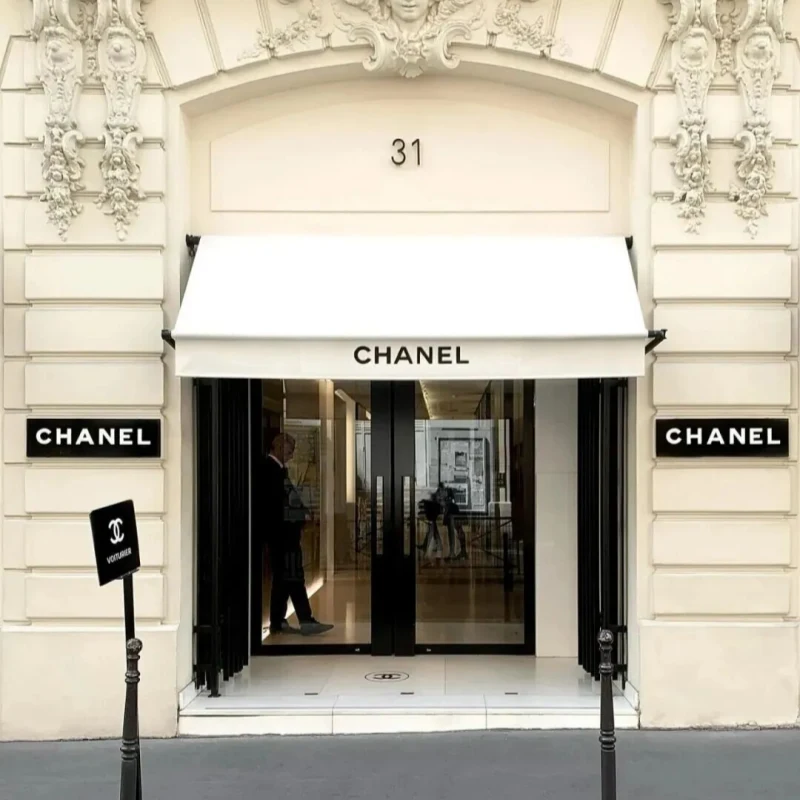
Cambon 故事:当产品成为品牌记忆
要了解康朋的重要性,我们需要追溯到二十多年前。
这个名字来自巴黎康朋街 (Rue Cambon),这里是香奈儿历史上最重要的地址之一。嘉柏丽尔·香奈儿 (Gabrielle Chanel) 于 1910 年在此开设了精品店,康朋街 31 号最终与品牌的身份紧密相连。
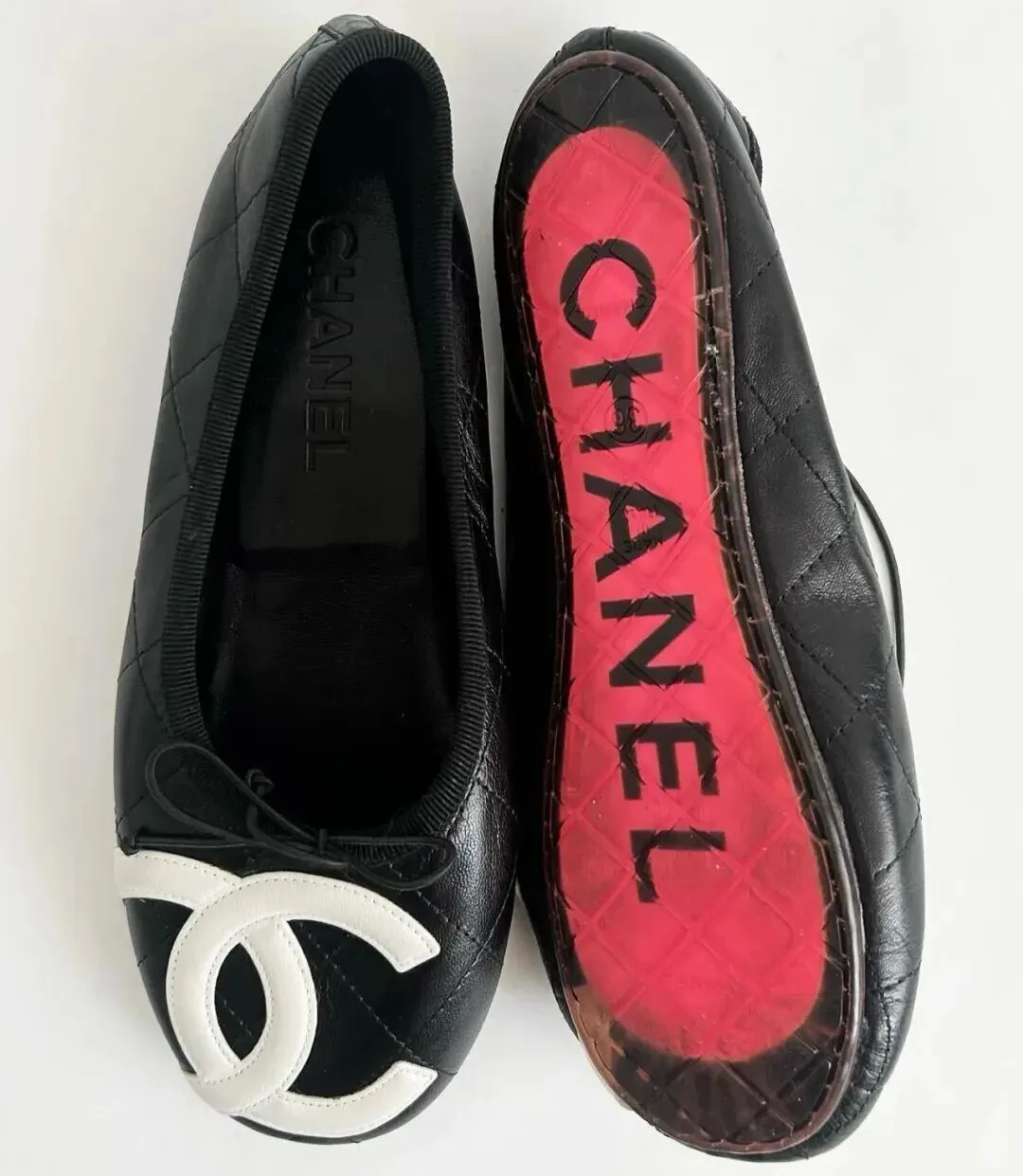
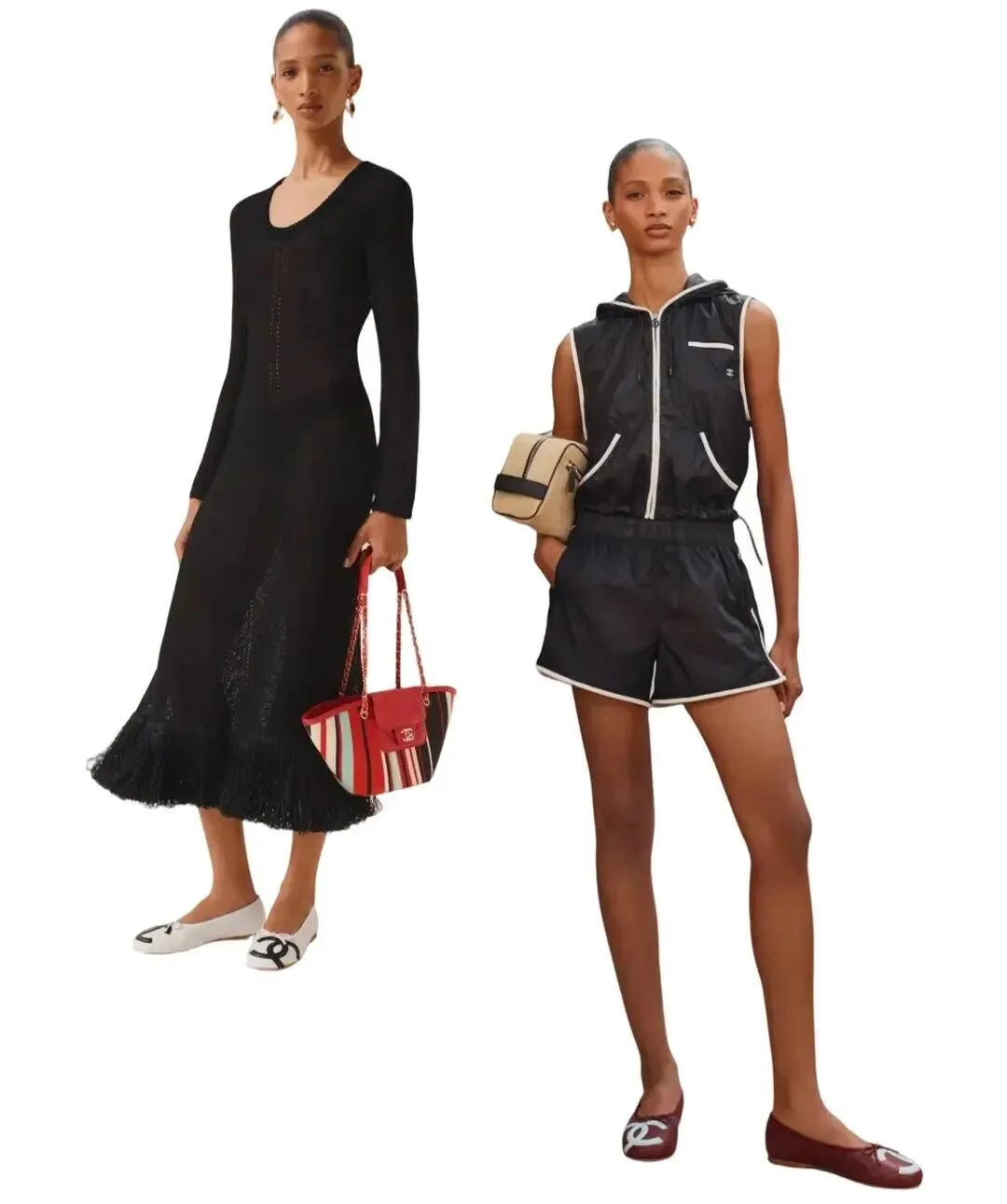
2004 年,在 Karl Lagerfeld 的创意指导下,Chanel 推出了 Cambon 系列。
其最知名的特征之一是毫无歉意地使用了互锁的 CC 徽标。
徽标没有将品牌视为微妙的装饰细节,而是成为产品本身视觉架构的一部分。
当时,这种做法感觉特别大胆。
该系列通过 Vanessa Paradis 主演的 Chanel 广告活动以及与 2000 年代初一些最知名的时尚人物的合作,进一步获得了知名度。
Cambon 成为了那个时期视觉词汇的一部分。
然而,最终它从香奈儿的主流产品中消失了。
但是从商店中消失并不一定意味着从消费者的记忆中消失。
多年来,Cambon 的单品持续在古着店、转售平台和时尚档案馆中流通。
这揭示了产品开发的一些重要内容:
强大的产品可以在其原始销售季节结束后很长时间内继续创造品牌价值。
对于一个独立品牌来说,这是一种非常不同的思考系列的方式。
不要只问“下一季我们能卖什么?”,更好的问题可能是:
“我们今天设计的哪些产品在多年后仍能代表我们的品牌?”
为什么康朋在 2026 年再次有意义?
显而易见的答案是千年虫。
20 世纪 90 年代末和 2000 年代初的美学继续影响着当代时尚。芭蕾平底鞋、玛丽珍鞋、复古运动鞋、富有表现力的标志、低调的鞋履和怀旧的廓形都已回归消费者的衣柜。
Cambon 自然地融入了这种环境。
但是仅怀旧并不能完全解释为什么存档产品再次变得具有商业意义。
消费者很少想要博物馆重现过去的情况。
他们想要更复杂的东西:
一款让人感觉足够熟悉以引发认可的产品,但又足够现代,适合他们今天的生活。
这种区别很重要。
简单地复制旧设计即可创造怀旧商品。
重新诠释归档产品需要品牌了解哪些元素应该保持可识别性以及哪些元素应该演变。
这可能涉及比例、材料、结构、舒适度、造型和产品展示方式的变化。
最强的存档复兴因此不要问:
“这双鞋二十年前是什么样子?”
他们问:
“是什么让人们首先记住了这双鞋?”
这是一个根本不同的产品开发问题。
保留品牌代码。更新产品。
这一原则远远超出了 Chanel 的范围。
许多成功的鞋类复兴都遵循相同的逻辑:
在提高相关性的同时保持识别度。
消费者应该能够看到产品并了解它的来源。
但是当他们真正穿上它时,鞋子必须仍然符合当代的期望。
这意味着档案复兴最终会成为制造和产品开发的挑战。
脚趾形状可能需要重新考虑。
最后一个可能需要调整。
材料可能需要提供不同的结构和柔软度平衡。
外底可能需要不同的灵活性、重量或耐用性。
徽标位置和硬件比例可能需要改进。
即使看似微小的变化也能显着改变鞋子的特性。
顶线 3 毫米的调整、稍宽的脚趾形状、不同的皮革厚度或鞋跟间距的变化都会影响成品鞋的外观和感觉。
这就是为什么鞋类设计不能停留在草图上。
设计创造创意。产品开发决定了这个想法在现实世界中是否可行。
为什么鞋子可以成为品牌的门户
香奈儿故事对独立鞋履品牌如此重要还有另一个原因。
鞋子可以作为强大的入门产品进入更广阔的品牌世界。
高端成衣通常需要特定场合、造型背景或重大购买承诺。
奢侈手袋的购买门槛更高。
鞋类在身份和实用性之间占据着有趣的位置。
消费者经常穿鞋。它们自然地出现在街头摄影、社交媒体内容和日常造型中。当鞋子具有独特的轮廓时,它甚至可以在消费者看到徽标之前传达品牌身份。
这使得鞋类在承载业界通常所说的品牌代码方面特别有效。
品牌代码可以通过以下方式表达:
最强大的鞋类品牌最终会达到消费者无需看到徽标即可认出其产品的程度。
这种程度的识别并不是偶然发生的。
它是按产品构建的。
独立品牌实际上可以向 Chanel 学习什么
对于新兴品牌来说,错误的教训是:
“Cambon 很受欢迎,所以我们应该做类似的东西。”
这是趋势跟踪,而不是品牌建设。
每个季节,鞋类公司都会涌向任何似乎受到关注的类别。
芭蕾平底鞋变得流行,因此数百个品牌推出了芭蕾平底鞋。
复古运动鞋兴起,突然间每个系列都需要一款复古运动鞋。
厚底乐福鞋表现出色,品牌开始寻找类似的厚底外底。
这可以创建在短期内看起来具有商业相关性的产品。
但它很少能创造出消费者记住的东西。
香奈儿更有价值的教训是:
不要只研究销售的产品。研究为什么某些产品在流行趋势过去后仍能被识别。
对于一个新的鞋类品牌来说,这意味着尽早回答几个难题。
您的品牌代码是什么?
如果有人看到你的鞋子三秒钟,他们应该记住什么?
鞋跟?
脚趾?
外底?
材质?
硬件?
比例?
徽标的集成方式?
一个强大的鞋类品牌逐渐发展出自己的视觉语法。
并非每个元素都需要具有革命性。
但是这种组合需要让人感觉是有意的和可重复的。
一种产品可以代表品牌吗?
许多新创始人一开始就尝试开发太多产品。
十双鞋。
十五种配色。
几个类别。
多种材质。
结果往往是一个范围广泛但没有明确中心的集合。
围绕英雄产品构建更严格的策略。
该产品应该传达品牌设计语言的最强版本。
一款独特的乐福鞋后来可以影响穆勒鞋。
相同的外底语言可能会演变为靴子。
标志性硬件组件可以出现在多个类别中。
材料和颜色可以改变,但底层设计 DNA 保持一致。
最终,各个产品开始看起来像同一个家族的成员。
此时一个系列开始成为一个品牌。
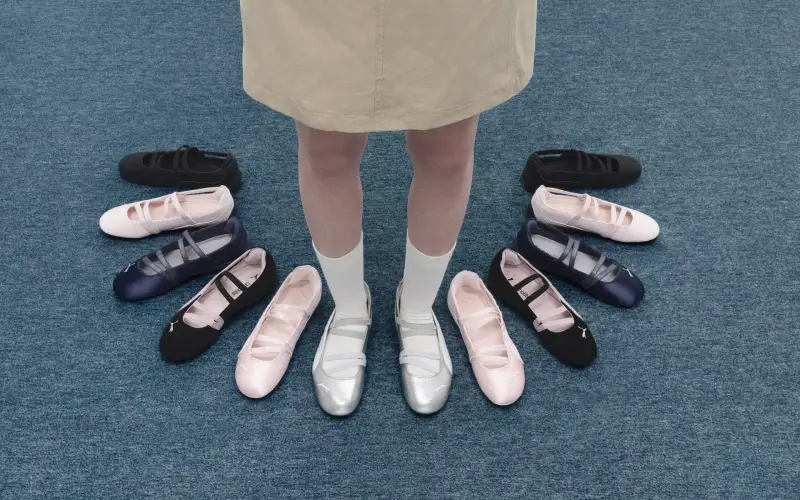
您是为社交媒体还是现实生活而设计?
现代鞋履品牌不能忽视社交媒体。
雕塑般的鞋跟、不寻常的材质、超大的带扣或意想不到的鞋底结构可以产生巨大的视觉注意力。
但仅靠关注并不能创造可持续的鞋类业务。
鞋子必须在有人穿着时也能发挥作用。
这需要考虑:
一双鞋如果不舒服或做工不好,可能会获得数千个点赞,但重复购买率仍然很低。
病毒式传播引起关注。耐磨性创造了回头客。
成功的产品开发两者都需要。
许多新品牌问得太晚的制造问题
独立鞋类创始人最常见的错误之一是将制造视为最后一步。
他们开发了徽标。
他们创造了品牌形象。
他们构建网站。
他们准备竞选概念。
他们创造包装。
他们制作效果图。
只有这样他们才会开始寻找鞋子制造商。
到这个阶段,一些最重要的产品决策可能已经在没有制造投入的情况下做出。
鞋类并不是完全存在于设计文件中的产品。
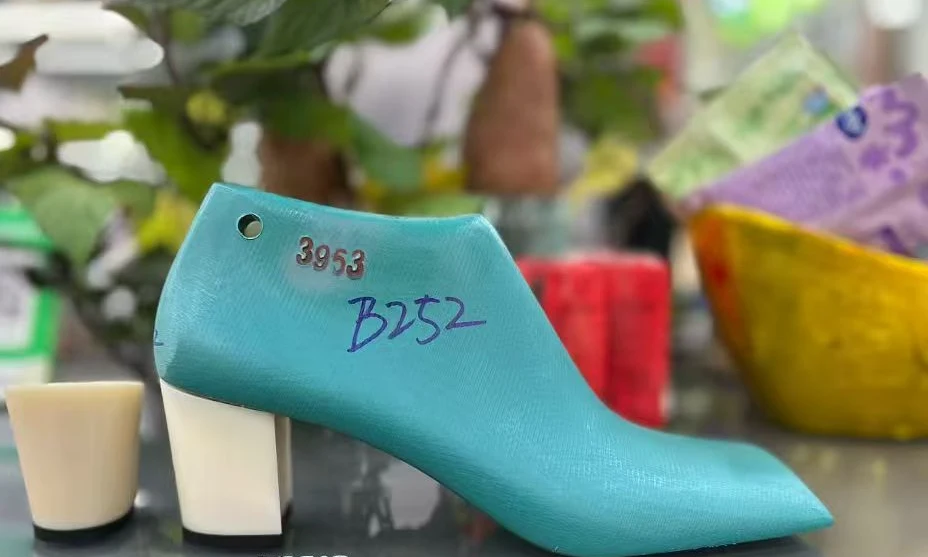
渲染无法告诉您鞋楦是否适合目标客户。
草图无法完全确定背线是否会保持其形状。
3D 概念无法自动保证雕塑般的鞋跟能够支撑所需的负载。
材料样本无法准确告诉您皮革在反复弯曲后的表现。
这些问题是在实际开发中出现的。
该过程可能包括:
技术包开发→材料采购→最终开发→制版→原型开发→试衣→样品修改→测试→预生产确认→批量制造。
这就是品牌与其制造商之间的关系变得至关重要的地方。
问题不应该简单地是:
“谁可以制造这款鞋?”
一个更有用的问题是:
“谁可以帮助将这个概念转变为商业上可行的鞋类产品?”
这是两种截然不同的制造关系。
您的制造商应该参与产品开发
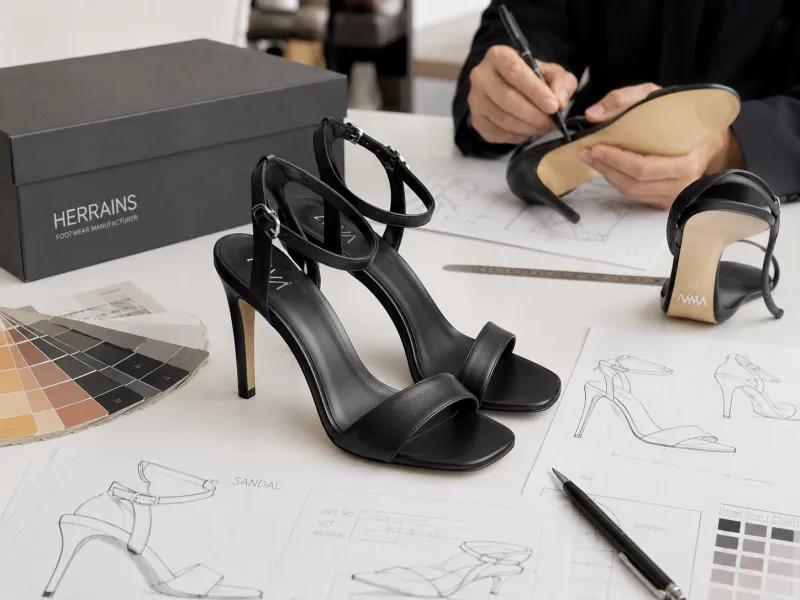
合适的鞋类制造合作伙伴应该在批量生产开始之前做出贡献。
考虑一位设计师正在开发一款雕塑般的高跟鞋。
从视觉上看,这个概念可能已经完成了。
但是从技术上讲,开发团队仍需要确定:
鞋跟如何连接到鞋子结构?
该设计是否需要定制鞋跟模具?
主要承重点在哪里?
最后的底部轮廓与鞋跟结构匹配吗?
所选材质能否一致地包裹几何图形?
鞋跟高度需要调整前部吗?
不同尺寸的结构应如何变化?
分级后设计在视觉上是否保持比例?
这些决定在广告系列图片中不可见。
但他们决定了产品最终能否成为可靠的商业鞋。
同样的原则也适用于运动鞋、乐福鞋、凉鞋、靴子和其他鞋类类别。
因此,制造商不应只是一个生产端点。
对于严肃的品牌来说,制造成为产品工程的一部分。
构建产品系统,而不仅仅是产品系列
成功的传统品牌中还隐藏着另一个教训。
他们很少依赖孤立的产品。
相反,他们创建系统。
重复出现可识别的脚趾形状。
硬件元素在各个系列中不断演变。
标志性外底适用于多种鞋面结构。
颜色组合与品牌相关联。
鞋跟结构变得清晰可辨。
随着时间的推移,这些元素会累积。
消费者开始自动将他们与品牌联系起来。
对于独立品牌来说,这种方法尤其有价值,因为它可以使产品开发更加连贯。
该品牌没有每季从零开始,而是建立了一个内部设计库。
成功的鞋楦可以改进。
现有结构可以演变。
硬件系列可以扩展。
Signature details can move between categories.
The brand's manufacturing knowledge grows together with its visual identity.
That is how product development begins creating intellectual and commercial value beyond a single season.
You Do Not Need to Become the Next Chanel
The goal of studying Chanel should never be to create another Chanel.
The market does not need one.
What independent founders can learn from heritage brands is how to think beyond individual products.
Chanel can revisit a design language from decades ago because the house has spent decades creating recognizable product assets.
A young brand obviously does not have that archive yet.
But every archive has a beginning.
Every established footwear company once developed its first shoe.
So instead of asking:
“How can we create something like Chanel?”
Ask:
“What can we create today that customers might still recognize ten years from now?”
That question changes the development process.
You begin paying more attention to proportion.
You think differently about materials.
You become more selective about hardware.
You reconsider whether every trend deserves to enter the collection.
You start thinking about how one product can evolve into another.
And perhaps most importantly, you stop treating manufacturing as a simple purchasing decision.
You start treating it as part of building the brand.
From an Idea to Your Own Signature Footwear
For an independent designer, startup or established fashion company entering footwear, creating a recognizable product requires both creative direction and technical execution.
This is where the choice of manufacturing partner becomes important.
HERRAINS, a sub-brand of XINZIRAIN, is positioned as a one-stop footwear and bag manufacturing solution provider for global brands, designers and private-label businesses.
Rather than approaching footwear manufacturing as production alone, HERRAINS supports the broader development process from concept to commercial product.
Depending on the project, that process can include:
- Design refinement
- Tech pack development
- Material sourcing
- Last development
- Pattern engineering
- Prototype and sample development
- Custom heel and outsole development
- Mold development
- Custom hardware
- Logo application
- Fitting and sample revisions
- OEM / ODM manufacturing
- Quality control
- Custom packaging
- Export and global logistics
For a brand founder, the value of the right manufacturer is not simply the ability to produce a shoe according to a drawing.
It is the ability to identify what needs to happen between the drawing and the finished product.
Sometimes that means adjusting a pattern.
Sometimes it means testing another leather.
Sometimes the heel structure needs engineering.
Sometimes the outsole needs modification.
Sometimes the original design needs to be simplified for production without losing its visual identity.
These decisions determine whether creative direction survives the transition from concept to manufacturing.
Your "Chanel" Story Starts with the First Product
Chanel's current momentum demonstrates something much bigger than the return of a particular shoe.
It demonstrates the long-term value of recognizable products.
A shoe created today can be seasonal inventory.
Or it can become the beginning of a brand language.
The difference lies in how deliberately it is designed, developed and manufactured.
For emerging footwear brands, the opportunity is not to reproduce the Cambon story.
It is to create your own.
Your future signature shoe may begin with nothing more than a sketch, a reference image, a material idea, an unusual heel, a new outsole concept or a silhouette that does not yet exist on the market.
What matters is what happens next.
Can that idea become a technically sound product?
Can it be manufactured consistently?
Can it develop into a wider collection?
Can consumers recognize it?
Can the design evolve without losing its identity?
And one day, could your brand return to that original product and discover that customers still remember it?
That is the difference between manufacturing another shoe and beginning to build a footwear brand.
You do not need to build the next Chanel.
You need to build the first product that people will one day recognize as yours.
If you already have a footwear concept, sketch, reference image or tech pack, HERRAINS can work with you to evaluate the materials, construction, last, outsole, heel, hardware and manufacturing feasibility befor e moving through prototype development and production.
Start your footwear development with HERRAINS — and build a product worth remembering.
Frequently Asked Questions
Why are archive footwear designs becoming popular again?
Archive footwear combines familiarity with novelty. Consumers recognize design elements from previous fashion eras, while brands can update the original products through new proportions, materials, construction methods and styling. This allows heritage-inspired shoes to feel recognizable without appearing outdated.
What can independent footwear brands learn from Chanel?
Independent brands can learn the importance of developing recognizable product codes rather than simply following seasonal trends. Signature toe shapes, heels, outsoles, hardware, materials and construction details can gradually create a visual identity that consumers associate with the brand.
What makes a shoe a signature product?
A signature shoe has distinctive and repeatable design elements that remain recognizable across seasons. These may include a proprietary silhouette, heel shape, outsole construction, hardware system, material combination or other consistent product details.
When should a footwear brand contact a manufacturer?
Ideally, a footwear manufacturer should become involved during the product-development stage rather than only after the design is finalized. Early technical input can help evaluate materials, lasts, patterns, heel or outsole construction, hardware, fitting and production feasibility.
What is the footwear development process for a new brand?
A typical custom footwear development process may include concept evaluation, tech pack development, material sourcing, last selection or development, pattern making, prototype sampling, fitting, sample revisions, pre-production confirmation, manufacturing, quality control, packaging and shipping.
Can HERRAINS develop footwear from a sketch or reference image?
Yes. HERRAINS supports footwear development from sketches, reference images, design concepts and professional tech packs. Depending on the project, development can include material sourcing, last and pattern development, custom heels or outsoles, hardware, sampling, revisions and OEM/ODM production.
What should I look for when choosing a footwear manufacturer?
Brands should evaluate more than production price. Important factors include product-development capability, material sourcing, pattern and last expertise, sampling quality, communication, quality-control systems, customization capabilities and the manufacturer's ability to support the product from concept through commercial production.