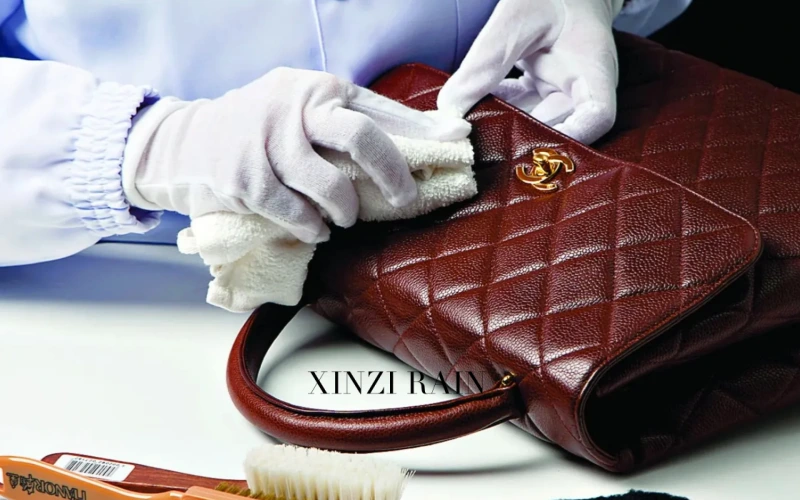

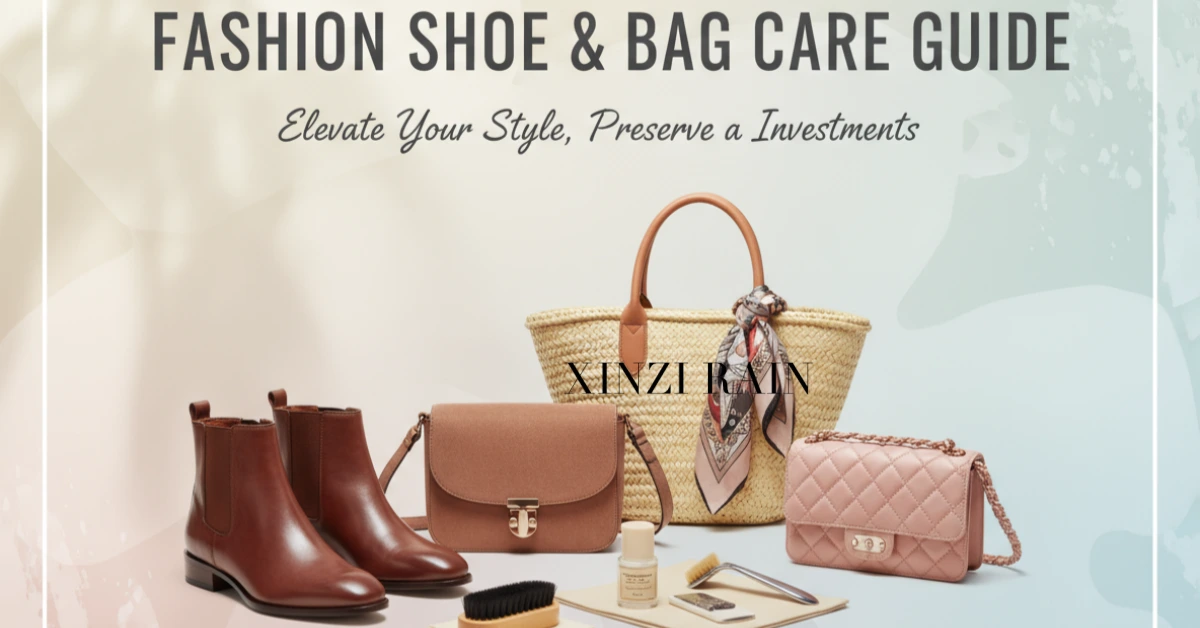

Leather is often associated with autumn and winter collections, yet in reality it plays a year-round role in custom shoes and bags. From dress shoes and sneakers to handbags and wallets, leather remains one of the most trusted materials in footwear and bag manufacturing. However, leather is not indestructible. Without proper care and storage, even high-quality leather products can deteriorate quickly—leading to unnecessary losses for both consumers and brands.
For footwear and leather goods brands, understanding leather care is more than lifestyle knowledge. It directly affects product longevity, customer satisfaction, and brand reputation. Different leather types exhibit distinct behavior during daily use, shipping, storage, and prolonged wear. Calf leather, lamb leather, suede—each requires a distinct care approach.
This guide explains how to properly maintain the most common leather types used in OEM footwear manufacturing and private label leather bags, helping brands and buyers make better material and aftercare decisions.
Calf Leather (Calfskin Leather)
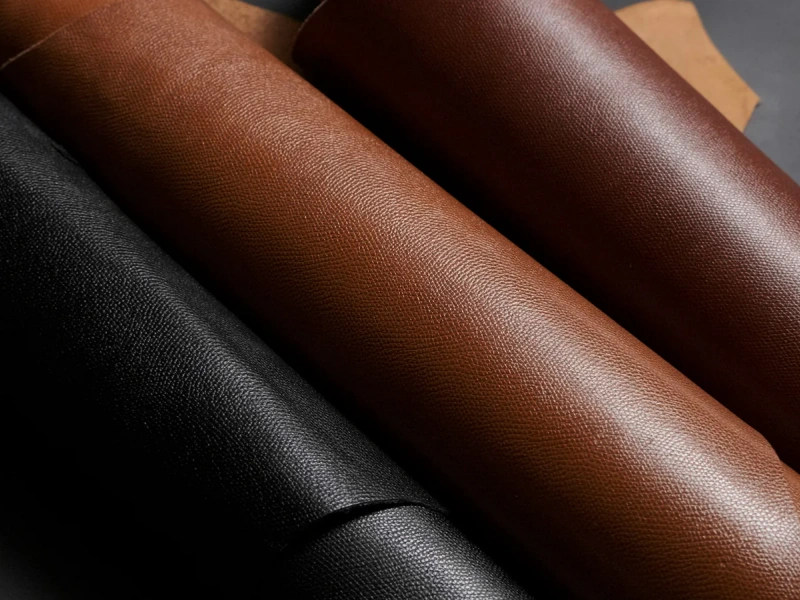
Calf leather is one of the most widely used materials in custom leather shoes and structured leather bags. It is sourced from young cattle and valued for its fine grain, smooth surface, and balanced firmness.
In shoe and bag production, calf leather is often selected for products that require shape retention, such as dress shoes, loafers, sneakers, and structured handbags. Its compact fiber structure offers both durability and a refined appearance, making it a preferred choice for mid-to-high-end collections.
Strengths of Calf Leather
Calf leather offers a smooth surface, consistent thickness, and good elasticity. It maintains structure well and performs reliably in everyday footwear applications, which is why many leather shoes and bags manufacturers rely on it for core styles.
Limitations
Compared with softer leathers, calf leather can feel firmer and slightly heavier. Without proper care, creasing and surface marks may become more visible over time.
Care Guidelines for Calf Leather
Despite its durability, calf leather remains vulnerable to sharp objects, excessive pressure, and improper storage. Avoid contact with keys, metal edges, or pointed tools during wear and transport. Do not fold or compress calf leather products for extended periods, especially during shipping or warehouse storage.
For cleaning, always use a dry, lint-free cloth. Water, wet wipes, or alcohol-based products can damage the surface finish. Prolonged exposure to direct sunlight or heat sources may cause the leather to dry, harden, or crack—an important consideration for brands shipping to hot climates.
When calf leather products are stored long-term, stuffing shoes and bags with clean paper helps preserve shape. Proper ventilation and dry storage conditions are essential, particularly for OEM footwear manufacturing supply chains.
Bovine Leather (Cowhide Leather)
Bovine leather comes from mature cattle and is commonly used in private label leather bags, backpacks, wallets, and durable footwear. Compared to calf leather, it has a coarser grain and greater thickness, offering excellent abrasion resistance.
Because of its strength, bovine leather is often recommended for daily-use products, work bags, and travel items produced by leather shoes and bags manufacturers for global markets.
Advantages
Bovine leather is highly durable, easy to maintain, and tolerant of frequent handling. It performs well in mass-market and commercial environments where products experience heavy use.
Care Recommendations
Although bovine leather is forgiving, it still benefits from regular maintenance. Avoid prolonged exposure to water, oils, and heat. Occasional application of a neutral leather conditioner helps maintain flexibility and surface protection, especially during long storage or overseas transportation.
Lamb Leather (Sheepskin Leather)
Lamb leather is widely used in premium handbags and soft footwear due to its exceptionally smooth texture and luxurious feel. In custom shoes and bags, lamb leather is often chosen for products that prioritize comfort, lightness, and visual richness.
Because lamb leather fibers are finer and looser than bovine or calf leather, it is more sensitive to wear and environmental factors.
Advantages
Lamb leather is lightweight, soft, breathable, and visually elegant. It adapts well to intricate designs and is popular in high-end private label leather bags and women’s footwear.
Limitations
This leather scratches easily, absorbs moisture quickly, and shows wear more visibly. For brands, this means lamb leather products require clearer care instructions and thoughtful positioning.
Care Guidelines
Lamb leather items should be stored in dust bags with moisture-absorbing inserts. Excessive cleaning should be avoided, as water can disrupt surface texture and fade color. Light surface scratches may be reduced with small amounts of leather conditioner applied gently.
For OEM footwear manufacturing, lamb leather requires careful handling during production and packing to avoid pressure marks and deformation.
Suede Leather
Suede is recognized by its soft, velvety surface and matte appearance. In modern manufacturing, suede is typically produced from treated cowhide or split leather rather than protected wildlife.
Suede is widely used in casual shoes, boots, and lifestyle bags, especially in autumn and winter collections.
Advantages
Suede offers excellent comfort, breathability, and visual depth. It brings warmth and texture to custom leather shoes and seasonal bag collections.
Limitations
Suede stains easily and reacts poorly to water and oil. Improper cleaning can permanently damage the nap.
Care Guidelines
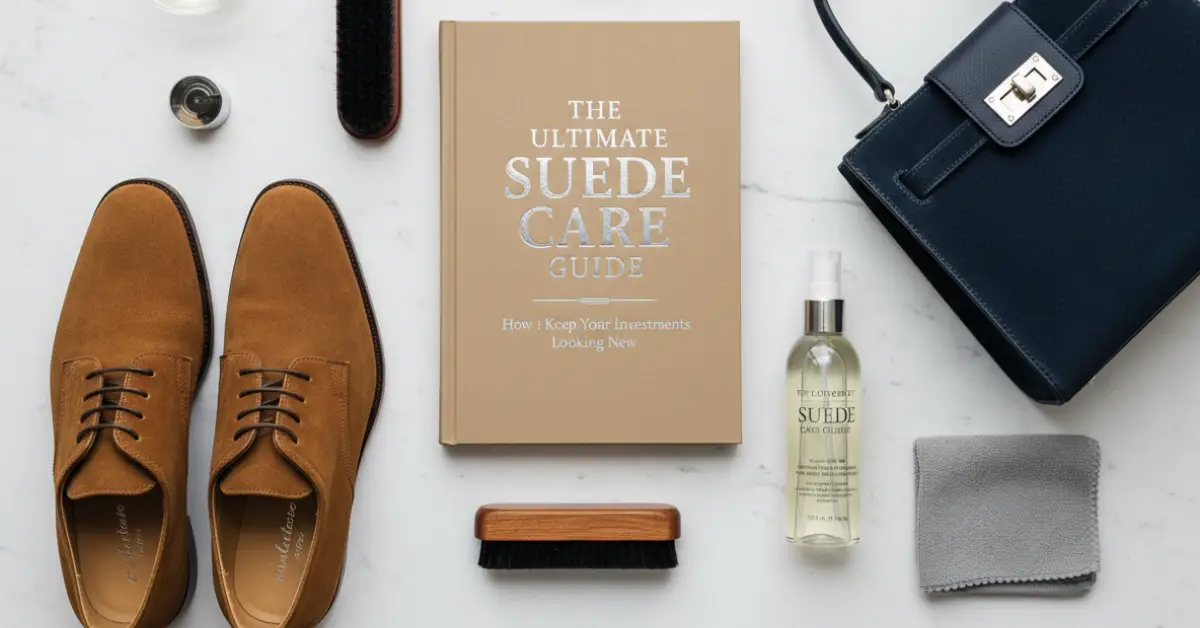
Use only dedicated suede brushes or sponges. Brush gently in one direction to remove surface dirt. After cleaning, apply a suede protection spray to reduce moisture and oil absorption. This step is particularly important for brands shipping suede products to regions with unpredictable weather.
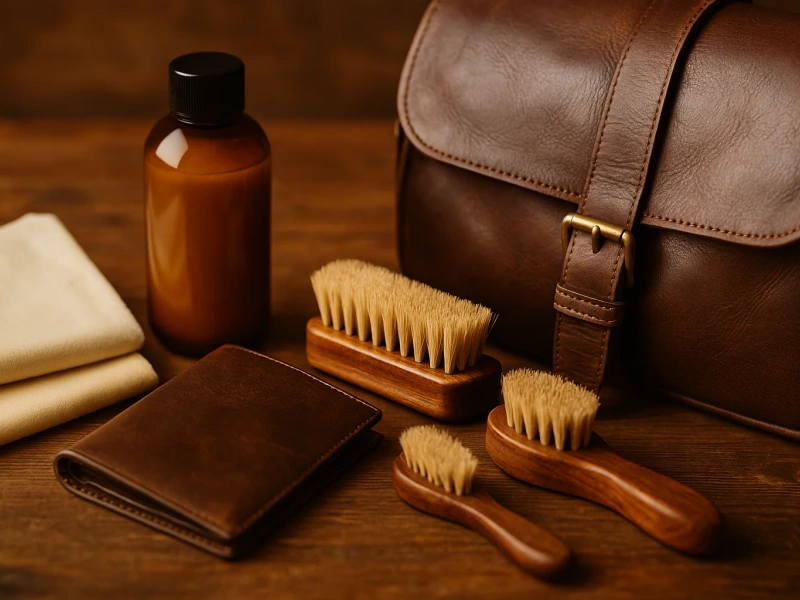
Essential Leather Care Tools for Shoes and Bags
Proper leather maintenance depends on using the correct tools for each material type.
-
Soft brushes and cloths for smooth leather
-
Suede brushes or horsehair brushes for nubuck and suede
-
Neutral leather cleaners designed for specific leather types
-
Leather creams and polish to nourish and protect smooth leather
For brands working with a leather shoes and bags manufacturer, providing proper care guidance alongside products helps reduce after-sales issues and improves customer trust.
Why Leather Care Matters for Brands and OEM Manufacturing
Leather care is not only a consumer concern—it is a strategic consideration in custom shoes and bags manufacturing. Proper care awareness influences:
-
Product lifespan and perceived quality
-
Customer satisfaction and repeat purchase
-
Brand credibility in premium markets
-
Alignment with sustainable leather solutions
A well-maintained leather product lasts longer, reducing unnecessary waste and supporting broader sustainable development goals.
Leather Care, Sustainability, and Material Selection
From a manufacturing perspective, sustainability does not stop at sourcing eco-friendly leather. It also includes designing products that age well and educating customers on proper maintenance.
Long-lasting leather shoes and bags are often more sustainable than disposable alternatives. This is why many brands now combine eco-friendly leather, responsible production, and clear care guidance as part of their sustainability strategy.
Xinzirain: Supporting Brands with Leather Expertise
As a professional custom shoes and bags manufacturer, Xinzirain works closely with global brands to select appropriate leather materials, optimize production processes, and ensure products perform well throughout their lifecycle.
Xinzirain supports:
-
OEM footwear manufacturing
-
Private label leather bags
-
Custom leather shoes for international markets
-
Sustainable leather material solutions
By combining material expertise with manufacturing experience, Xinzirain helps brands create leather products that look refined, wear well, and align with long-term sustainability goals.
Conclusion: Leather Care Is Part of Product Value
Leather is not a disposable material. With correct care, high-quality leather shoes and bags can serve for years, developing character rather than losing value. Understanding how to care for different leather types—calf leather, bovine leather, lamb leather, and suede—is essential for both consumers and brands.
For companies developing custom shoes and bags, leather care knowledge strengthens product quality, reduces complaints, and supports sustainable development.
If your brand is looking for a reliable leather shoes and bags manufacturer that understands materials, production, and long-term performance, Xinzirain is ready to support your next collection.
Contact Xinzirain to develop custom leather shoes and bags with sustainable materials and professional manufacturing support.