
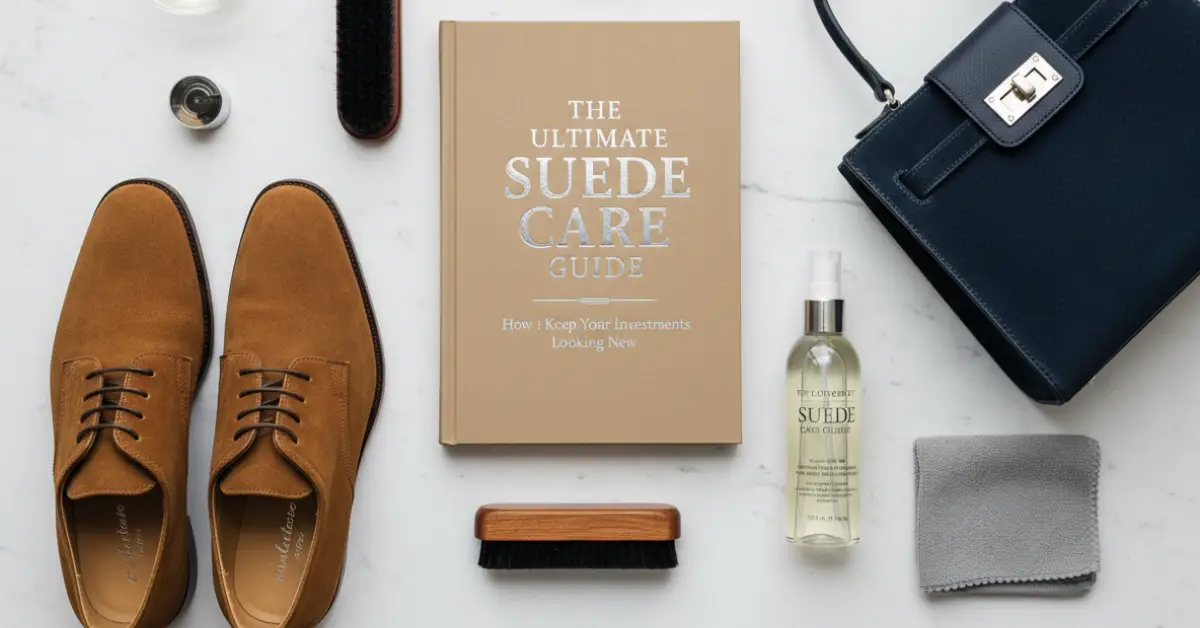

From the buttery-soft texture of a luxury tote to the sharp silhouette of a premium boot, suede offers a tactile elegance that is a cornerstone of a sophisticated wardrobe. Yet, its porous nature often raises concerns about durability. Mastering how to clean suede shoes and high-end bags is essential to preserving their unique finish. In this definitive guide, we bridge the gap between traditional craftsmanship and modern care, providing you with a specialized approach to keep your suede investments as pristine as the day they were acquired.
The Foundation: Proactive Protection
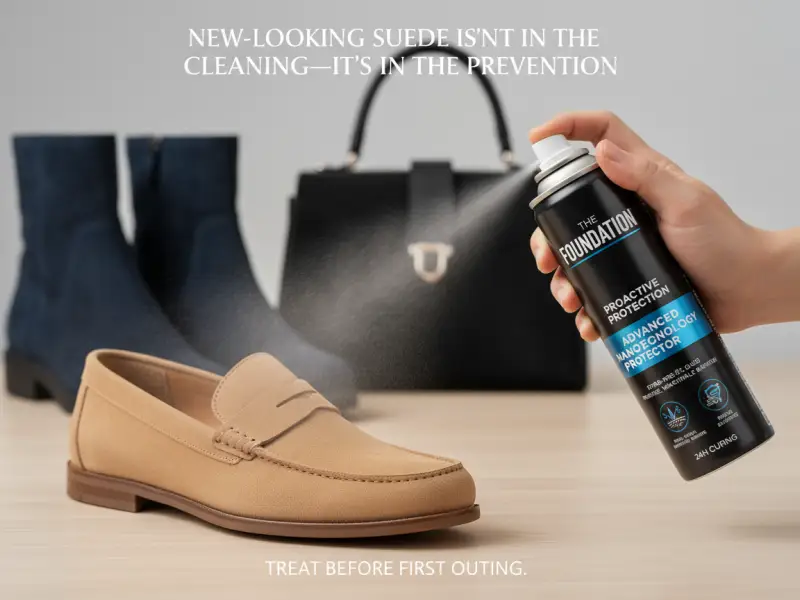
The secret to "new-looking" suede isn't in the cleaning—it’s in the prevention. Treating your items before their first outing is the most critical step in any care routine.
Use Advanced Nanotechnology Protectors
Modern care requires modern solutions. Look for PFAS-free, water-based nanotechnology sprays. These formulas create an invisible, breathable barrier that allows the suede to retain its natural suppleness while repelling water, oils, and urban pollutants.
- Application: Hold the canister 20cm away and apply a fine, even mist. Avoid "soaking" the material.
- Curing: Allow the item to air-dry for a full 24 hours to let the protective bond set.
- Maintenance: Re-apply the protector every few weeks if the item is in heavy rotation.
The Essential Suede Toolkit
Professional results require professional tools. Every collector should have a dedicated kit to maintain the "nap"—the raised, velvety surface of the suede.
- The Silicon Crepe Brush: Its soft, sticky ripples are designed to gently lift dust and "fluff" the fibers without causing abrasion.
- The Suede Eraser: A specialized block used to crumble away dry scuffs and localized marks. It is the safest tool for high-friction areas like the heels of shoes or the corners of bags.
- The Natural Bristle Brush: Best for heavy-duty cleaning on rugged suedes. It helps flick away dried mud and restores the uniform direction of the nap.
Expert Stain Removal: A Step-by-Step Guide
When accidents happen, a calm, methodical approach is key. Here is how to handle common suede emergencies.
How to Resolve Water Spotting
Ironically, the fix for a water spot is an even application of moisture.
- Lightly dampen the entire surface of the item with a fine mist.
- Use a sponge to ensure the moisture is uniform—this prevents "water rings."
- Stuff the item with acid-free tissue paper to maintain its shape.
- Once dry, use a crepe brush to restore the texture.
Managing Oil and Grease Stains
Grease is the enemy of suede, but it can be defeated if caught early.
- Blot the area immediately with a clean, dry cloth. Do not rub.
- Cover the stain with a generous layer of cornstarch or specialized absorbent powder.
- Leave it overnight to draw the oil out of the fibers.
- Brush away the residue the following morning.
The Steam Technique for Matted Areas
If your suede looks "tired" or flat, a gentle steam treatment can work wonders. Hold the item over a steamer (at a safe distance of 15cm) for a few seconds. The heat and moisture will open the pores of the material, allowing you to brush the nap back to life effortlessly.
Preservation: The Art of Storage
How you store your suede is just as important as how you wear it. Suede is a biological material that needs to "breathe" to avoid becoming brittle.
- Maintain the Silhouette: For oversized or slouchy bags, always store them stuffed with tissue paper. For shoes and boots, use cedar shoe trees to absorb moisture and maintain the form.
- Avoid Plastic: Never store suede in plastic bags, as this traps moisture and can lead to mold. Use breathable cotton dust bags instead.
- UV Protection: Suede is highly susceptible to fading. Store your items in a cool, dark, and dry environment away from direct sunlight.
Frequently Asked Questions
Can you clean suede with a damp cloth?
Only for a full-surface cleaning. Spot-cleaning with a wet cloth often leaves permanent marks. Always opt for "dry" cleaning methods first.
How do I fix color fading?
For high-quality suede that has lost its vibrancy, professional-grade pigment sprays can be used to restore the original tone. Always test on a small, hidden area first.
Is bio-fabricated or vegan suede cleaned differently?
While often more water-resistant, synthetic suedes can be sensitive to heat. Always follow the specific manufacturer’s guidelines, though the brushing techniques remain the same.
Conclusion: Value through Care
Investing in premium suede is a commitment to quality. By following this guide, you are not just maintaining a product; you are preserving a piece of craftsmanship.
Ready to expand your collection? A Complete Leather Care Guidefor Custom Shoes and Bags:From Calf Leather to Suede