
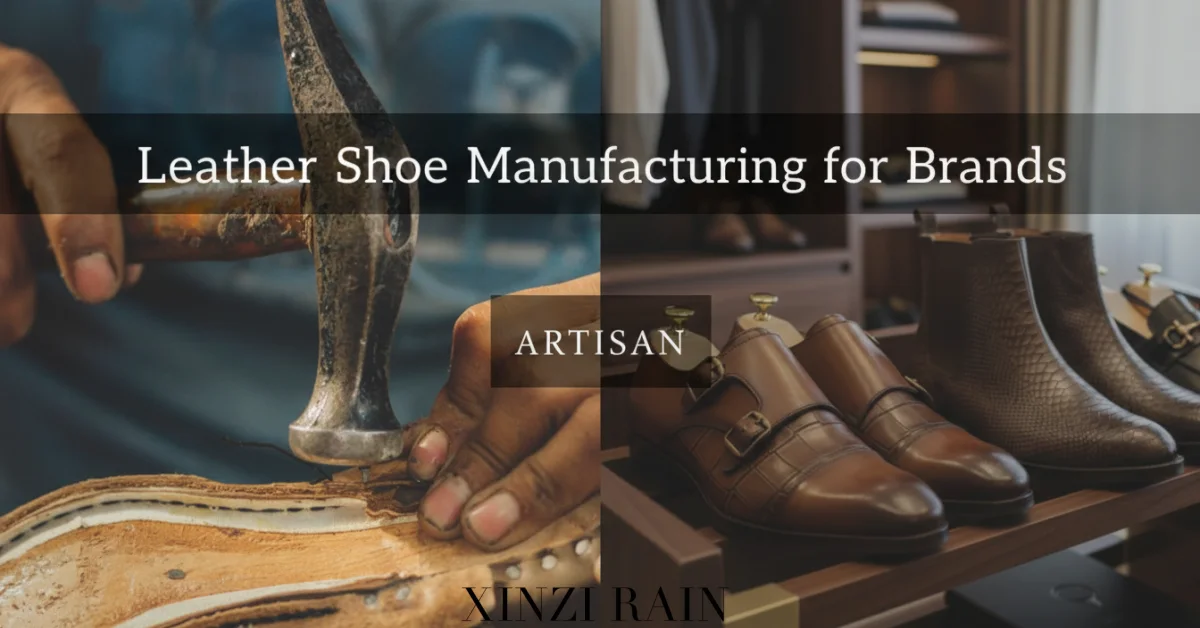

Leather shoes have remained one of the most important categories in the global footwear industry for centuries. From traditional handcrafted dress shoes to modern fashion collections, leather footwear continues to represent durability, craftsmanship, and premium brand value.
Today, thousands of fashion brands, retailers, and designers rely on professional leather shoe manufacturers to transform product ideas into scalable collections. These manufacturers provide the technical expertise, material sourcing networks, and production capabilities required to bring high-quality leather footwear to market.
For brands planning to launch or expand a leather footwear line, understanding the history, market trends, manufacturing processes, and sourcing strategies is essential.
This guide explains everything you need to know about leather shoe manufacturing—from the heritage of leather craftsmanship to how modern brands collaborate with manufacturers to build successful footwear collections.
The History of Leather Shoes: From Craft Tradition to Global Industry
Leather footwear has a long and rich history that reflects both human craftsmanship and evolving fashion culture.
Early Leather Footwear
Some of the earliest leather shoes date back thousands of years. Archaeological discoveries in regions such as Egypt and Armenia reveal simple leather sandals designed to protect the feet while maintaining flexibility and breathability.
Leather quickly became the preferred material due to its durability and adaptability.
European Craftsmanship Traditions
During the Middle Ages and the Renaissance, European shoemakers began developing more refined footwear styles. Countries such as Italy and England became known for their skilled shoemaking traditions, introducing structured lasts, hand stitching techniques, and luxury leather finishing.
Many modern luxury footwear brands still draw inspiration from these traditional methods.
Industrialization of Shoe Production
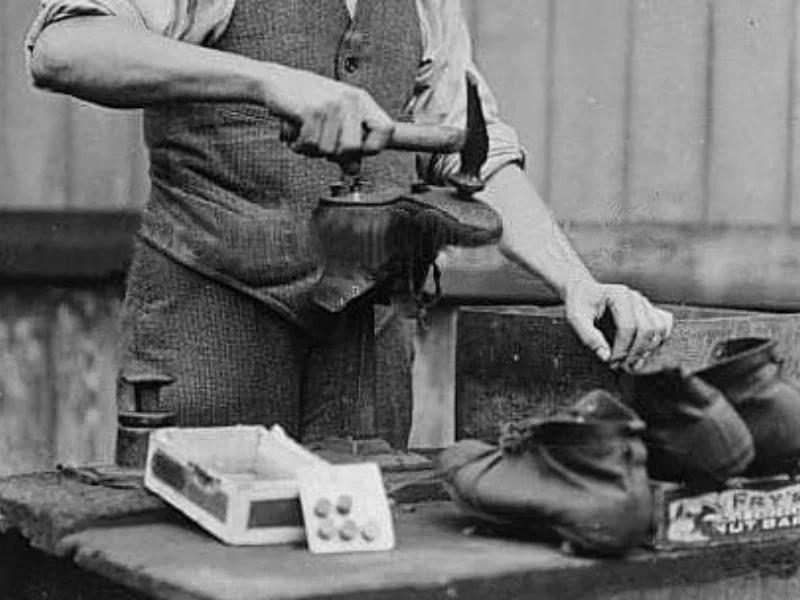
The 19th century brought major technological innovations to the footwear industry. Machinery such as sewing machines and standardized lasts enabled the large-scale production of leather shoes while maintaining consistent quality.
This shift laid the foundation for modern footwear manufacturing.
Modern Leather Shoe Manufacturing
Today, leather shoe production combines traditional craftsmanship with advanced industrial processes. Modern manufacturers integrate design development, material engineering, automated cutting, and quality control systems to support global footwear brands.
As a result, leather shoes remain one of the most influential product categories in fashion and lifestyle markets.
The Global Leather Shoe Market Today
The global leather footwear market continues to demonstrate strong and stable demand. Leather shoes are widely regarded as a premium footwear option due to their durability, comfort, and timeless design appeal.
Several factors continue to drive the growth of leather footwear worldwide.
Premium Product Positioning
Leather footwear is often associated with higher quality and craftsmanship. Many consumers are willing to pay premium prices for genuine leather shoes because they provide better durability and long-term value compared to synthetic alternatives.
Expanding Fashion Segments
Leather shoes are no longer limited to traditional dress shoes. Today’s market includes a wide range of styles, including:
- leather sneakers
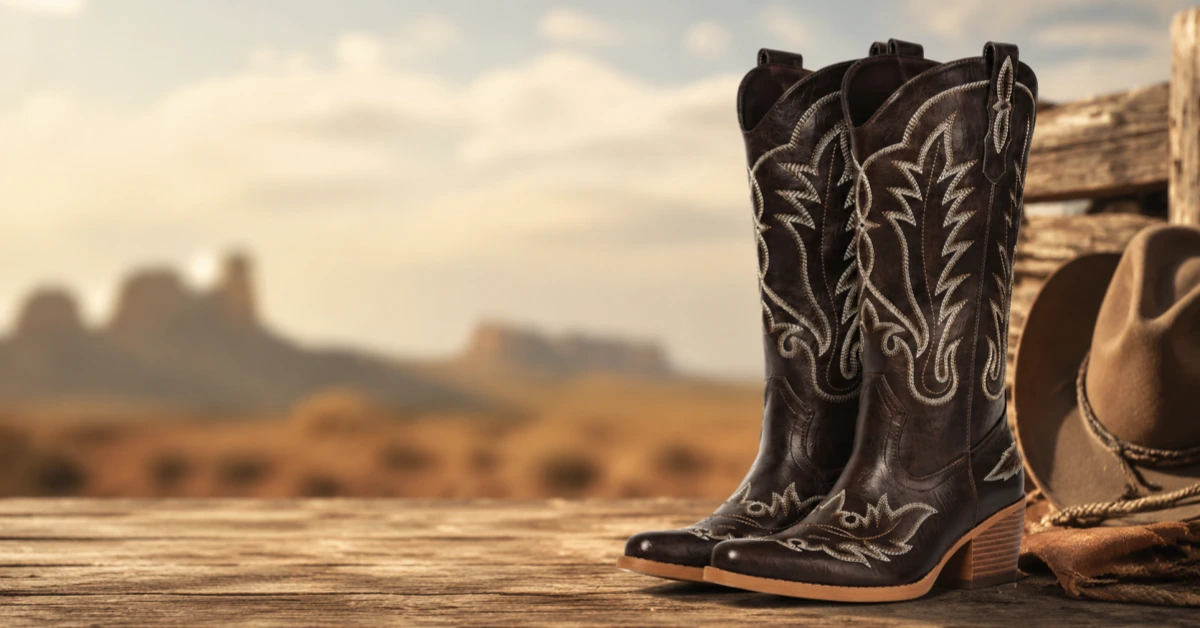
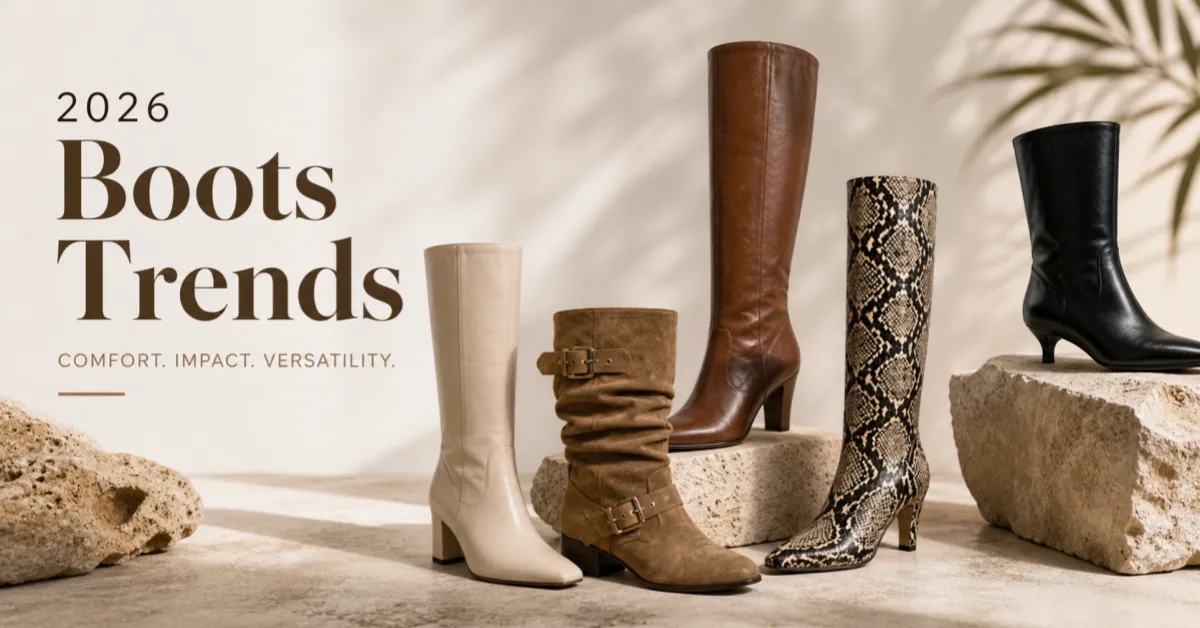
- leather boots
- casual leather loafers
- fashion heels
- minimalist leather flats
This diversification has helped leather footwear remain relevant across multiple consumer segments.
Growth of Independent Brands
In recent years, many independent fashion brands and direct-to-consumer companies have entered the footwear market. These brands frequently collaborate with experienced leather shoe manufacturers to develop private label collections.
Demand for High-Quality Materials
Consumers are becoming more selective about materials and craftsmanship. Premium leather finishes, sustainable tanning processes, and improved comfort engineering have become key factors influencing purchasing decisions.
Why Leather Shoes Still Hold Premium Value
Despite the rise of synthetic materials, leather shoes continue to maintain a strong reputation for quality and luxury.
Durability
High-quality leather is extremely durable and can maintain its structure for years when properly cared for. This longevity makes leather shoes a cost-effective investment for consumers.
Comfort
Leather naturally adapts to the shape of the wearer’s foot over time, improving comfort and fit. Breathability and moisture absorption also help create a more comfortable wearing experience.
Timeless Style
Leather shoes rarely go out of fashion. Classic silhouettes such as loafers, brogues, and leather heels have remained popular for decades.
Brand Perception
Many premium fashion brands rely on leather footwear to reinforce their luxury positioning. Leather materials signal craftsmanship, quality, and long-term value.
For this reason, leather shoes remain an essential product category for many fashion collections.
The Value of Building a Private Label Leather Shoe Brand
Many fashion entrepreneurs and retailers are now launching their own footwear collections through private label manufacturing.
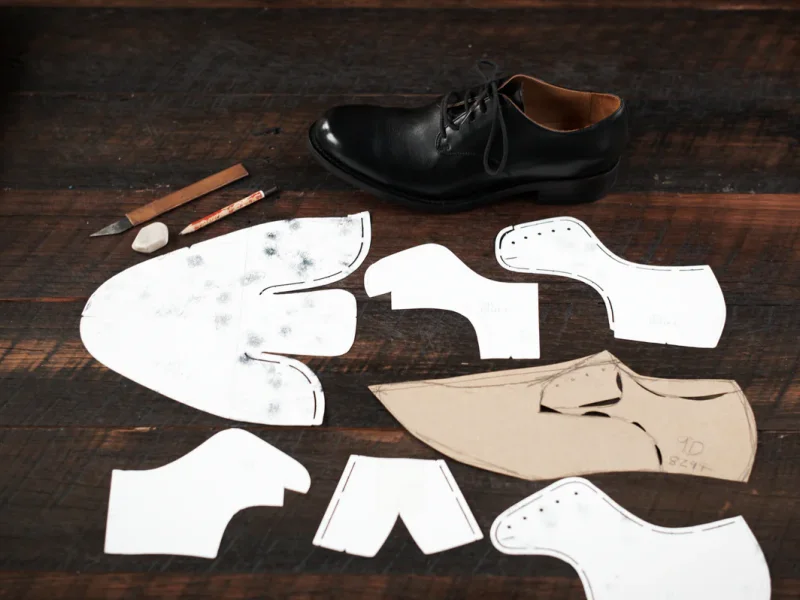
Working with a leather shoe manufacturer allows brands to create unique products while maintaining control over branding, materials, and design direction.
Higher Profit Margins
Private label footwear enables businesses to control retail pricing and brand positioning. Compared with reselling existing brands, owning the product design significantly increases profit potential.
Brand Identity
Custom leather footwear collections help brands establish a recognizable visual identity. Signature materials, color palettes, and design elements can differentiate a brand in competitive markets.
Long-Term Growth
A well-designed leather shoe collection can become a long-term core product line. Many successful brands expand their product categories gradually after launching footwear.
Flexible Product Development
Modern manufacturers often support low-MOQ production and rapid sampling, making it easier for emerging brands to test new designs before scaling production.
What Does a Leather Shoe Manufacturer Actually Do
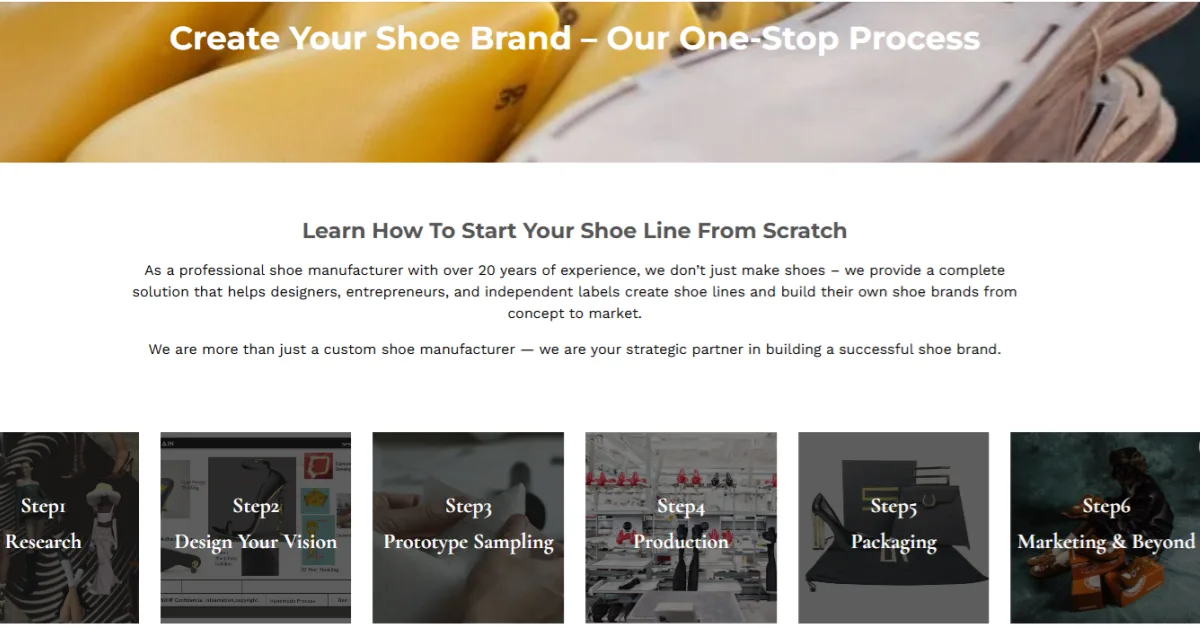
A professional leather shoe manufacturer provides far more than simple production services. In most cases, manufacturers act as development partners throughout the product lifecycle.
Typical services include:
Product Design Development
Manufacturers assist brands in translating design ideas into technical footwear structures, including pattern creation and material selection.
Material Sourcing
Factories maintain networks of leather suppliers, hardware producers, and sole manufacturers to ensure consistent material quality.
Sampling
Before mass production begins, prototype samples are created to verify fit, design accuracy, and construction quality.
Mass Production
Once samples are approved, manufacturers organize cutting, stitching, assembly, and finishing processes to produce footwear at scale.
Quality Control
Professional factories implement multiple quality inspection stages to ensure consistency across large production runs.
Global Export Support
Many manufacturers also manage packaging, labeling, and international shipping logistics for global clients.
Leather Types Used in High-Quality Shoes
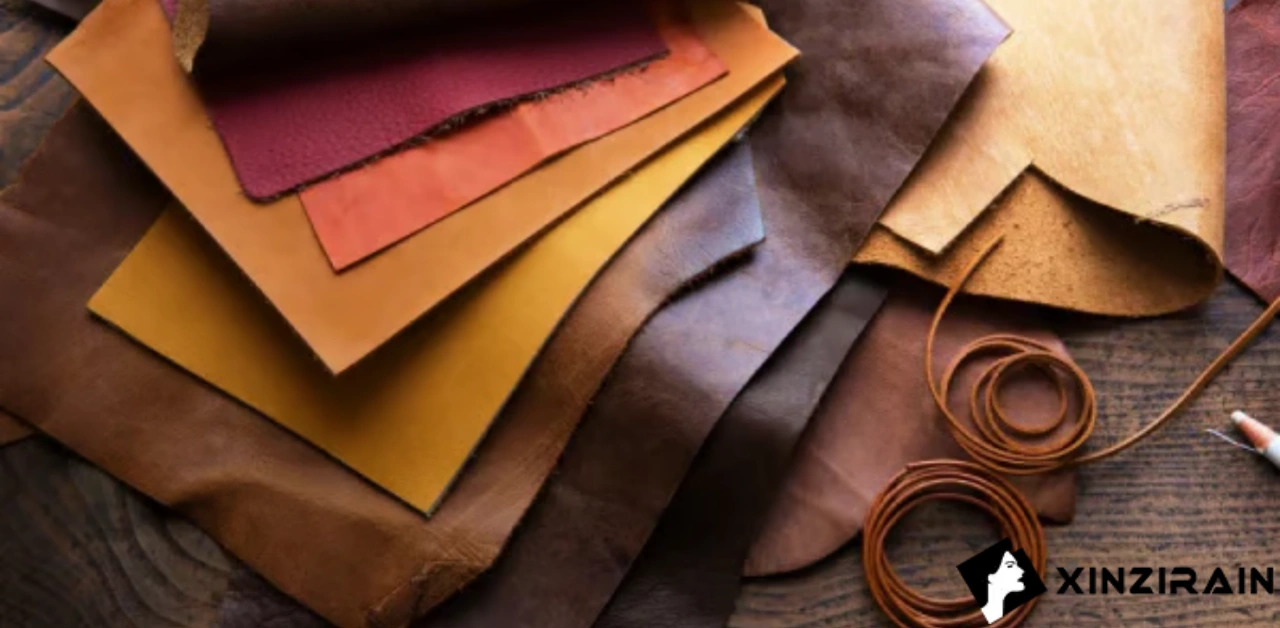
The type of leather used in footwear plays a significant role in durability, comfort, and appearance.
Full Grain Leather
Full-grain leather is considered the highest quality leather available. It retains the natural surface of the hide, offering exceptional durability and character.
Top Grain Leather
Top grain leather is slightly processed to remove surface imperfections. It offers a smooth appearance while maintaining good durability.
Suede Leather
Suede is produced from the inner layer of the hide, creating a soft and velvety texture. It is commonly used in casual shoes and fashion footwear.
Nubuck Leather
Nubuck leather is lightly sanded on the outer surface, producing a soft texture similar to suede while maintaining greater strength.
Vegetable Tanned Leather
This traditional tanning method uses natural plant materials and produces environmentally friendly leather with unique aging characteristics.
Leather Shoe Manufacturing Process Explained
Understanding the leather shoe manufacturing process helps brands better manage product development and quality expectations.
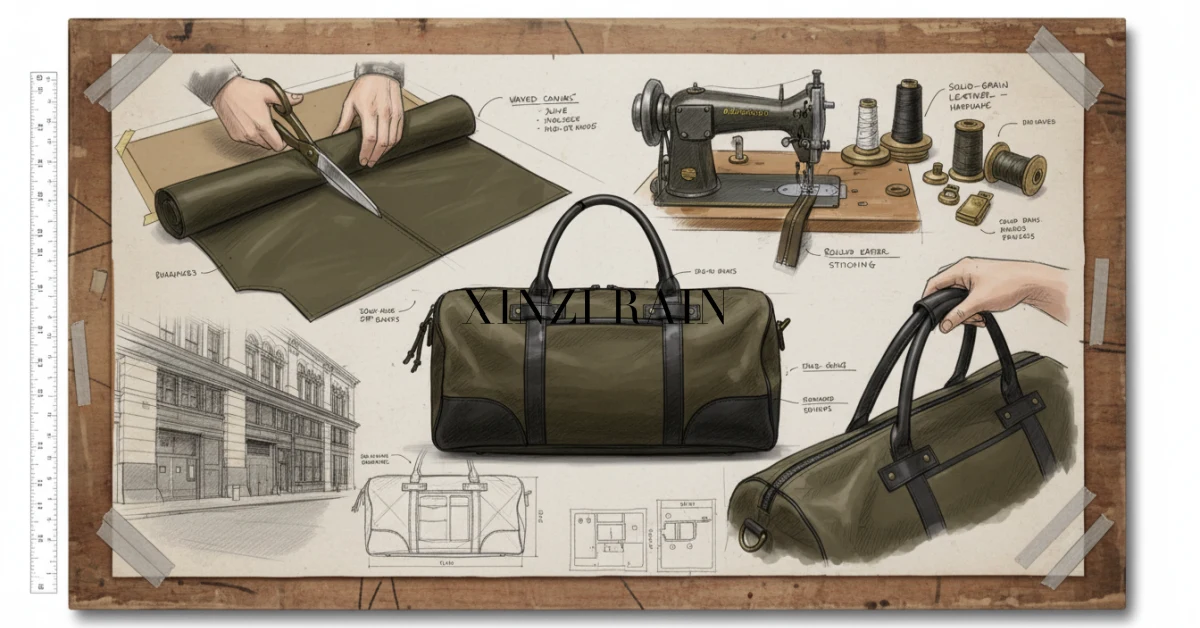
Step 1 – Design Development
Design sketches are converted into technical drawings and footwear patterns.
Step 2 – Last Creation
Shoe lasts determine the final shape and fit of the footwear.
Step 3 – Leather Cutting
Leather components are cut precisely according to pattern specifications.
Step 4 – Upper Stitching
Different leather pieces are stitched together to create the upper structure.
Step 5 – Sole Attachment
Outsoles and midsoles are attached using cementing, stitching, or molding techniques.
Step 6 – Finishing
Shoes undergo polishing, cleaning, and final visual inspection.
Step 7 – Quality Control
Final inspection ensures the product meets required standards before shipment.
How to Choose the Right Leather Shoe Manufacturer
Selecting the right leather shoe manufacturer is a critical decision for any footwear brand.
Several factors should be carefully evaluated.
Development Capability
A strong manufacturer should have experienced designers and pattern makers who can translate ideas into functional footwear products.
Material Network
Reliable access to quality leather suppliers ensures consistency and product durability.
Minimum Order Quantity
Flexible MOQs allow brands to test new products without excessive financial risk.
Production Capacity
Factories should have the ability to scale production as demand grows.
Export Experience
Manufacturers familiar with international markets can better manage compliance requirements, packaging standards, and logistics.
Why Many Brands Work With Leather Shoe Manufacturers in China
China remains one of the world’s most important footwear manufacturing hubs.
Many global brands collaborate with leather shoe manufacturers in China due to several advantages.
Integrated Supply Chain
China’s footwear ecosystem includes leather suppliers, hardware producers, mold factories, and packaging manufacturers located within proximity.
Competitive Production Costs
Efficient production systems allow manufacturers to offer competitive pricing while maintaining quality standards.
Skilled Workforce
Chinese footwear factories employ experienced technicians and craftspeople who specialize in various shoe construction techniques.
Scalable Manufacturing
Manufacturers are capable of supporting both small batch development and large production orders.
Future Trends in Leather Shoe Manufacturing
The leather footwear industry continues to evolve alongside changing consumer preferences.
Several emerging trends are shaping the future of leather shoe manufacturing.
Sustainable Materials
Environmentally responsible tanning processes and recycled materials are becoming increasingly important.
Digital Product Development
3D design tools allow brands to visualize footwear designs and accelerate sampling timelines.
Small Batch Production
Many brands now prefer smaller, more flexible production runs to test new designs and respond quickly to market trends.
Premium Craftsmanship
Consumers continue to value products that combine traditional craftsmanship with modern design.
FAQs About Leather Shoe Manufacturers
What is the MOQ for leather shoe manufacturing?
Minimum order quantities vary depending on the factory and shoe complexity. Some manufacturers offer MOQs starting from 50–100 pairs per design.
How long does leather shoe production take?
Sampling typically takes 2–4 weeks, while bulk production may require 30–45 days, depending on order volume.
Can manufacturers help with design development?
Yes. Many professional footwear manufacturers provide design support, pattern making, and material sourcing services.
What types of leather are best for shoes?
Full-grain leather is widely considered the highest quality option, while suede and nubuck are commonly used for casual styles.
Work With a Professional Leather Shoe Manufacturer
Launching a successful leather footwear collection requires both creative design and reliable production capabilities.
Partnering with an experienced leather shoe manufacturer allows brands to transform ideas into high-quality products while maintaining consistency, scalability, and efficient production timelines.
At XINZIRAIN, we support global footwear brands with custom leather shoe development, private label production, and end-to-end manufacturing services.
Whether you are creating a new footwear brand or expanding an existing product line, working with the right manufacturing partner can help bring your leather shoe collection to market successfully.