

Introduction
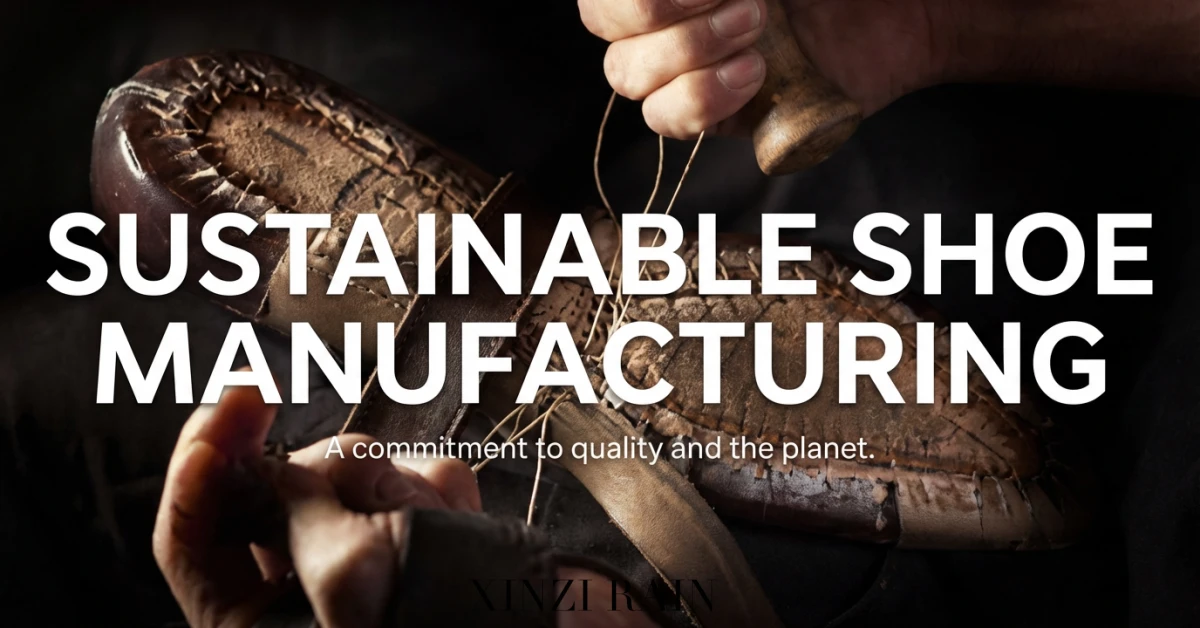
Sustainable shoe manufacturing is no longer optional for global footwear brands.
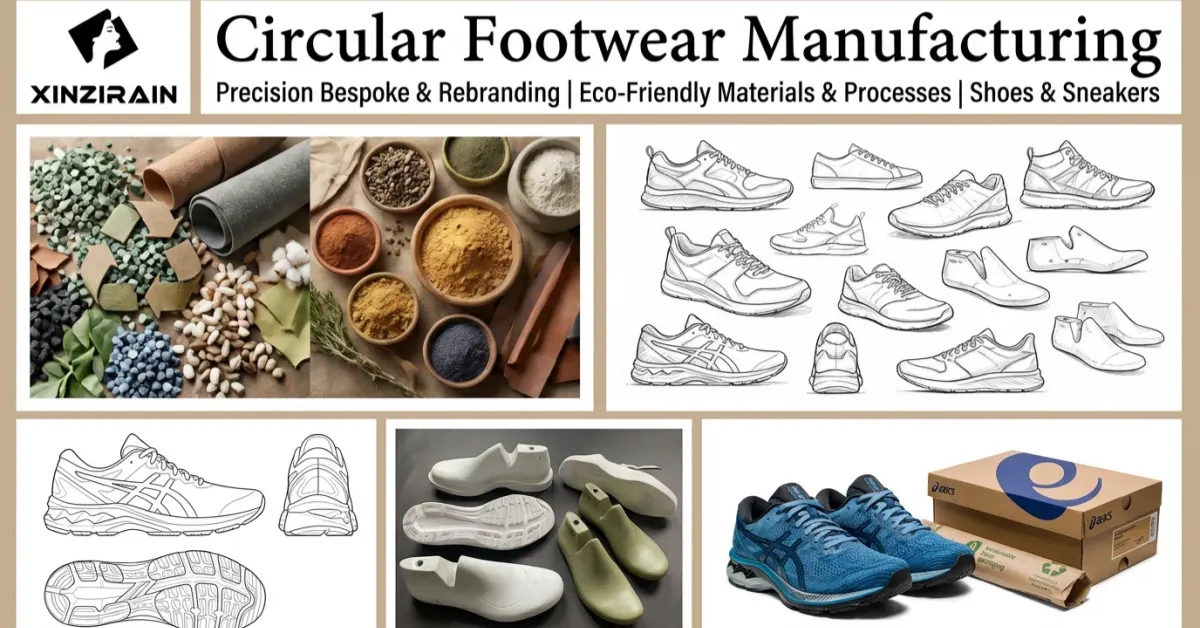
In 2026, sustainable shoe manufacturing influences supplier selection, product development strategy, and long-term brand positioning. Brands sourcing from Asia, Europe, and Latin America are evaluating factories based on:
-
Sustainable shoe manufacturing standards
-
Eco-friendly materials
-
Responsible leather sourcing
-
Low-impact footwear production
-
Waste reduction systems
Sustainable shoe manufacturing is now part of core procurement criteria.
Sustainable Materials in Sustainable Shoe Manufacturing
Sustainable shoe manufacturing begins with material selection.
Bio-Based Alternatives
Modern sustainable shoe manufacturing increasingly includes:
-
Mycelium leather
-
Grape leather
-
Pineapple fiber leather
-
Cactus-based materials
-
Bio-based polyurethane
These materials reduce fossil dependency and support eco-friendly footwear production.
However, sustainable shoe manufacturing must balance innovation with durability. Performance testing remains essential:
-
Flex resistance
-
Abrasion performance
-
Adhesion strength
-
Colorfastness
True sustainable shoe manufacturing means eco-materials that perform at scale.

Responsible Leather in Sustainable Shoe Manufacturing
Leather remains essential in premium footwear.
Sustainable shoe manufacturing improves leather impact through:
-
LWG-certified tanneries
-
Chrome-free tanning
-
Water recycling systems
-
Reduced chemical discharge
Responsible leather sourcing strengthens sustainable shoe manufacturing without compromising product quality.
Circular Design in Sustainable Shoe Manufacturing
Circular thinking is reshaping sustainable shoe manufacturing.
Designing for Longevity
Sustainable shoe manufacturing emphasizes:
-
Reinforced outsole bonding
-
Durable stitching
-
Replaceable insoles
-
Long-lasting silhouettes
Extending product lifespan reduces environmental impact.
Reducing Multi-Material Complexity
Sustainable shoe manufacturing also addresses recycling challenges.
Manufacturers are simplifying:
-
Material combinations
-
Bonding systems
-
Outsole structures
Simplified construction supports circular footwear production.
Production Efficiency in Sustainable Shoe Manufacturing
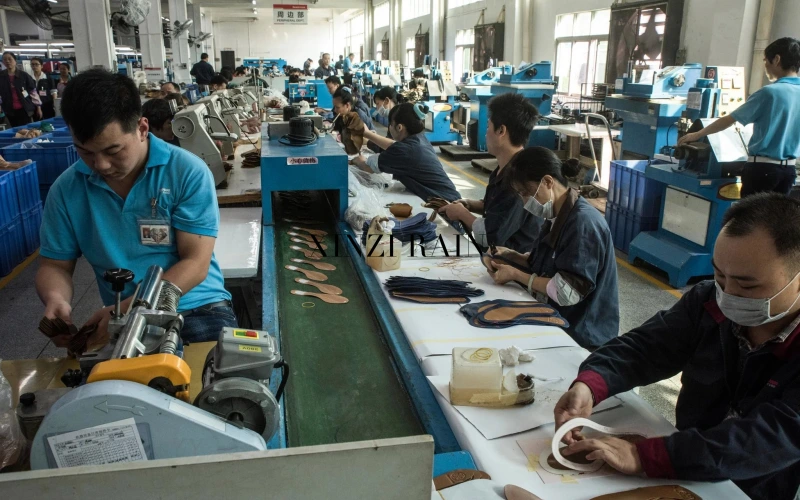
Sustainable shoe manufacturing is not limited to materials.
Low-impact footwear production includes:
-
Optimized leather cutting layouts
-
Digital pattern nesting
-
Reduced sampling waste
-
Controlled adhesive application
Efficient, sustainable shoe manufacturing lowers both environmental footprint and production cost.
Packaging & Logistics in Sustainable Shoe Manufacturing
Modern sustainable shoe manufacturing includes:
-
Recycled cartons
-
Reduced plastic packaging
-
Bulk shipment optimization
-
Lightweight packaging structures
Transportation efficiency is part of a sustainable shoe manufacturing strategy.
Conclusion
Sustainable shoe manufacturing in 2026 integrates:
-
Eco materials
-
Responsible leather sourcing
-
Circular design
-
Efficient production systems
-
Packaging reduction
For global footwear brands, sustainable shoe manufacturing is now a structural competitive advantage.
At XINZIRAIN, sustainable shoe manufacturing is integrated into both development and production stages. From sourcing certified materials to optimizing cutting efficiency and reducing waste, our footwear factory supports global brands seeking responsible and scalable manufacturing solutions.