

简介:舒适不是主观的 - 它是经过设计的
在制鞋行业,“舒适度”往往被视为个人感受。
从人体工程学角度来看,这是一个误会。
舒适并非偶然。
它是结构、生物力学、材料和测试协同工作。
设计不良的鞋子会迫使人体进行补偿。起初,这表现为摩擦、疲劳或压力点。随着时间的推移,它可能会导致脚、膝盖、臀部和下背部产生结构性压力。问题不在于时尚本身 - 问题在于忽视人体的设计。
在 XINZIRAIN,我们相信每类鞋类(不仅是高跟鞋,还包括平底鞋、靴子、乐福鞋、凉鞋和休闲鞋)都可以而且应该采用符合人体工程学的设计,头脑。
本文从专业角度逐步解释人体工程学鞋类的设计和制造方式。
符合人体工程学的鞋履的真正含义
符合人体工程学的鞋类是根据人体站立、行走和分散压力的方式设计的。
目标不是消除负载,而是智能管理。
从人体工程学的角度来看,健康的鞋子应该:
-
尊重足部自然解剖结构
-
将压力分散到足部
-
支持姿势和平衡
-
减少长期肌肉骨骼劳损
当这些原则被忽视时,身体会通过补偿来适应 - 通常以足部健康和舒适为代价。
了解足部:人体工学设计的基础
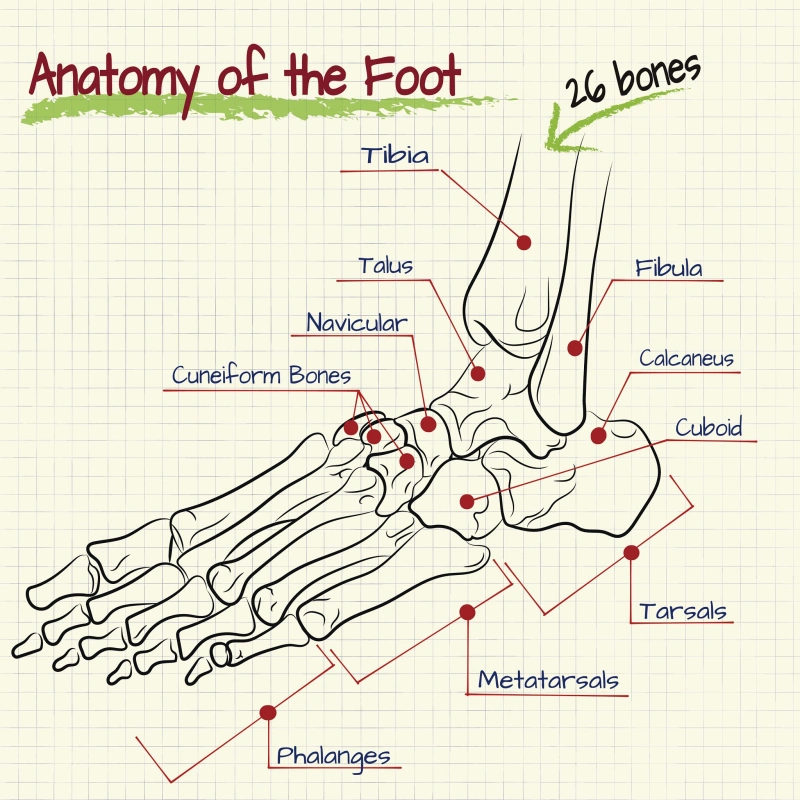
脚不是静态物体。它是一个动态结构,由以下部分组成:
骨骼和关节
肌肉和肌腱
软组织和筋膜
吸收冲击力并返回能量的天然拱门
有效的符合人体工程学的鞋类设计注重三个基本目标:
结构性尊重
鞋子必须遵循脚部的自然形状,而不是强迫其形成人造形状。
压力分布
负载应在脚跟、中足和前足之间分担,而不是集中在一个区域。
减少报酬
当平衡和支撑正确时,身体在行走或站立时不需要“对抗”鞋子。
为什么鞋子变得不舒服:真正的原因
大多数不适不仅仅来自鞋的高度或外观。
常见的人体工程学失败包括:
鞋楦不准确,与真实脚型不符
足弓支撑不足
脚跟位置不佳且不稳定
压缩前脚的脚趾盒
刚性鞋垫,无减震
两只具有相同轮廓的鞋子可能会感觉完全不同,具体取决于这些因素的设计方式。
鞋楦:人体工学鞋类的核心
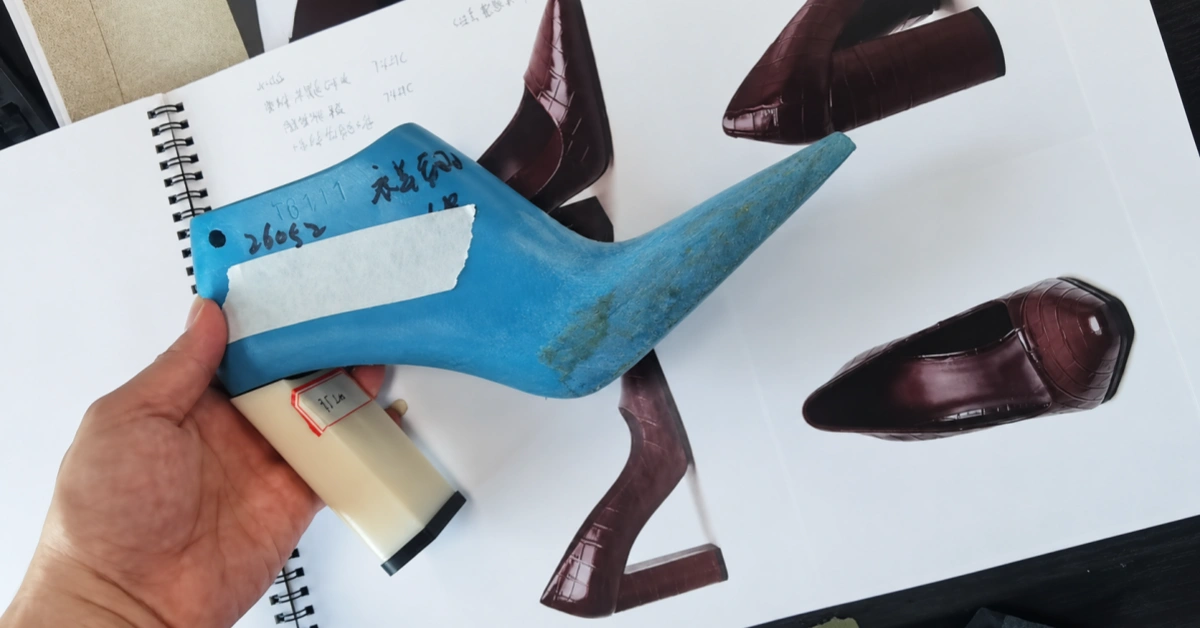
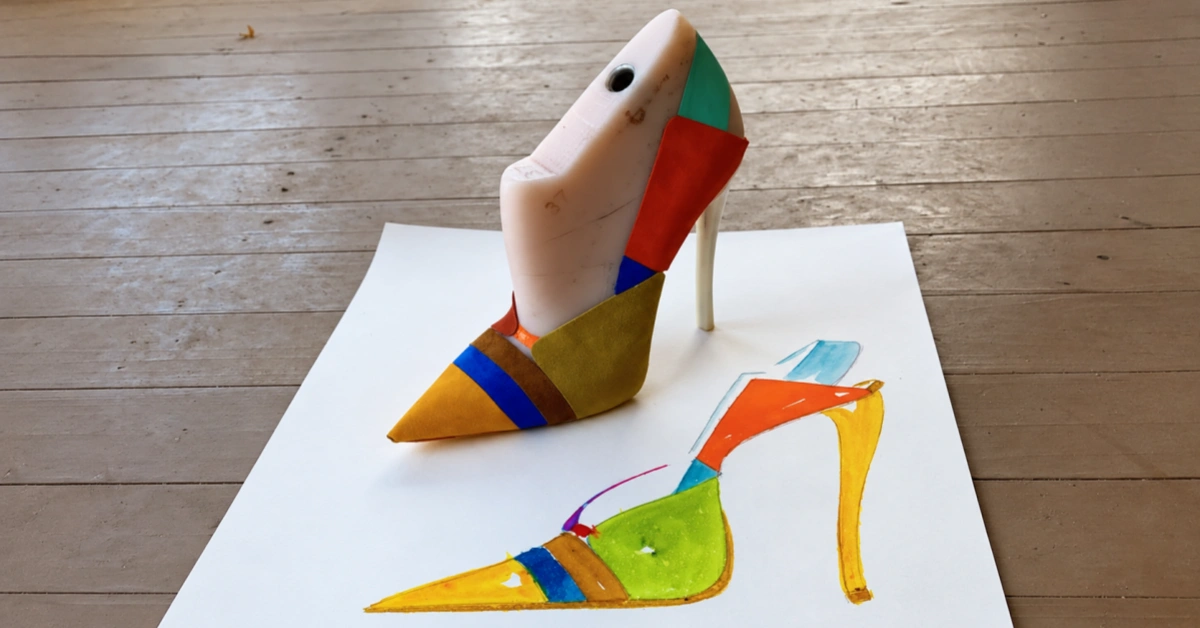
鞋楦是每双鞋的解剖学基础。
它定义:
长度和宽度
脚趾对齐
足弓曲率
鞋跟杯深度
总体内部体积
在专业制造中,舒适度问题通常通过对鞋楦进行毫米级调整来解决,而不是通过改变材料或添加填充物来解决。
尤其是女鞋,最后的发展非常复杂。脚的形状因地区、生活方式和年龄的不同而有很大差异。 “标准尺寸”很少适合所有人。
符合人体工程学的鞋履始于精确的鞋帮开发,而不是装饰。
鞋头设计:优雅而不压缩
一个常见的误解是精致或尖头的鞋子本质上是不健康的。
实际上,问题不在于形状,而在于压缩。
符合人体工程学的鞋头应该:
允许脚趾自然对齐
提供足够的内部容积
最大限度地减少大脚趾和前脚的压力
从制造角度来看,这通常意味着在不改变外观的情况下增加内部体积 - 这种平衡需要经验和精确的图案工程。
足弓支撑和中底工程
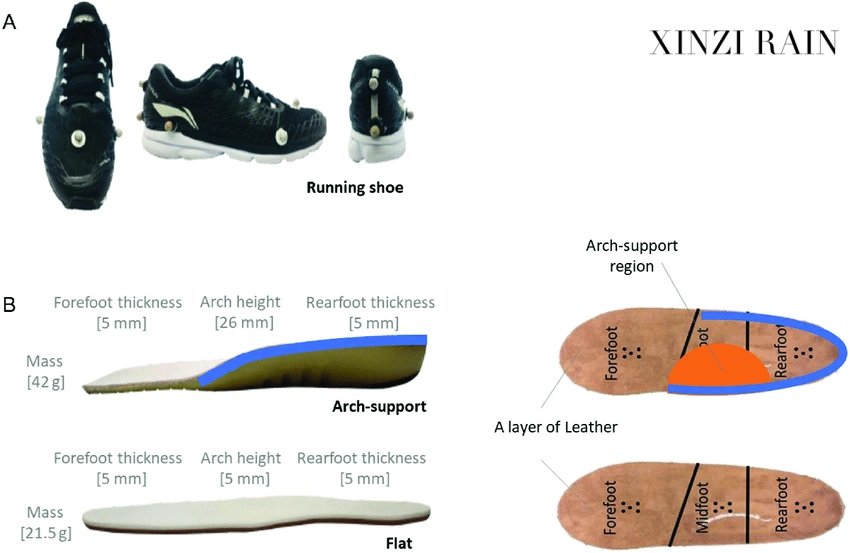
足弓充当脚部的天然减震器。
没有适当的支持:
-
前足压力增加
-
疲劳感迅速增强
-
姿势向上移动到膝盖和脊柱
但是,“更多支撑”并不总是更好。
有效的足弓支撑必须:
位置正确
硬度符合佩戴者的需求
与上一个无缝集成
在符合人体工程学的鞋类制造中,足弓支撑是经过精心设计的,而不是事后添加的。
脚跟稳定性和平衡控制
脚跟稳定性影响整个动力链。
不良的鞋跟结构可能会导致:
-
滑动和摩擦
-
前脚超载
-
步态不稳定
-
膝盖和臀部的压力增加
符合人体工学的鞋跟设计重点在于:
鞋跟杯深度和曲率
安全但非磨损性支持
与身体重心对齐
这适用于所有具有结构的鞋类 - 不仅仅是高跟鞋。
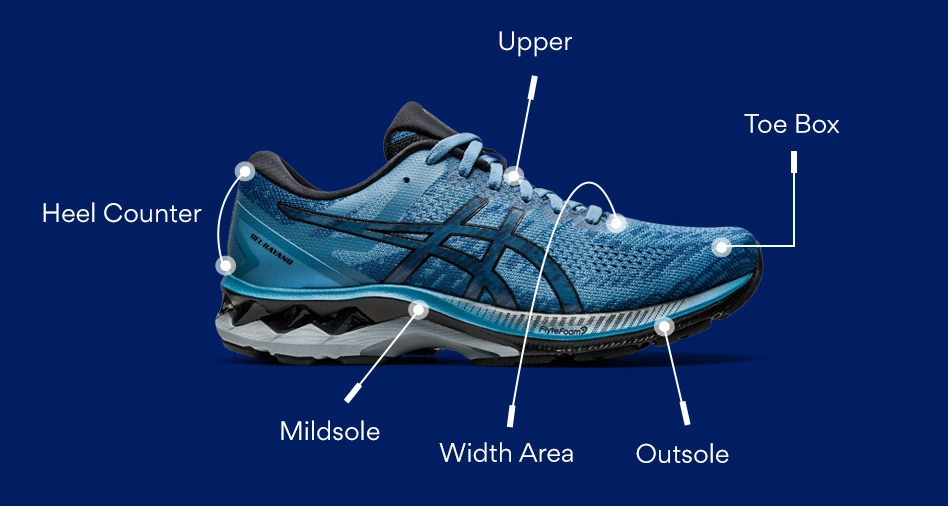
鞋底灵活性:在脚部弯曲的地方弯曲
鞋子应该在足部自然弯曲的地方弯曲——靠近跖骨关节。
当弹性点未对齐时:
-
步行效率下降
-
肌肉疲劳加剧
-
更有可能出现长期不适
仅柔软并不能保证舒适。
正确flex定位至关重要。
按鞋类类别划分的人体工学优先顺序
人体工学设计原则保持一致,但优先级因类别而异。
运动鞋和休闲鞋
-
减震
-
脚跟稳定性
-
前脚推进力
-
牢固贴合
乐福鞋、正装鞋和平底鞋
脚跟固定
足弓支撑
脚趾盒体积
透气材料
靴子
-
脚踝活动能力
-
脚跟稳定性
-
轴摩擦控制
-
鞋底灵活性
凉鞋和露趾鞋
足弓支撑
鞋跟杯稳定性
前掌抓地力
体重平衡
高跟鞋
重心控制
前足压力管理
隐藏式足弓支撑
结构性脚跟稳定性
身高本身并不能定义健康 - 工程可以定义健康。
材料:人体工程学与皮肤科学的结合
符合人体工学的鞋子不仅具有结构性,还具有感官性。
关键材料考虑因素包括:
-
透气性和吸湿排汗
-
控制摩擦力防止起泡
-
随着时间的推移缓震耐用性
-
可控的灵活性,实现自然运动
从制造角度来看,材料选择直接影响长期舒适度,而不仅仅是首次穿着。
为什么人体工学鞋需要更长的时间来开发
在 XINZIRAIN,一种鞋款通常需要六个月的开发。
此时间用于:
-
最后一次优化
-
多轮试穿
-
真实磨损测试的压力反馈
-
结构和平衡调整
从切割到最终成型,一对通常需要 7 天 — 不是因为效率低下,而是因为精度要求时间。
这就是人体工程学意图在大规模生产中生存的方式。
从设计到批量生产:健康的工作流程
专业的人体工程学鞋类开发遵循结构化流程:
目标用户分析和足部数据
上次开发和迭代
结构工程(足弓、脚跟、鞋底)
材料选择和测试
多轮磨损试验
生产一致性控制
如果没有这个过程,“人体工程学”就会成为营销语言而不是现实。
实用的人体工学鞋类清单(针对品牌和买家)
在评估鞋类或供应商时,询问:
-
鞋楦是根据真实足部解剖结构设计的吗?
-
足弓支撑是结构性的还是装饰性的?
-
鞋跟能提供真正的稳定性吗?
-
鞋底是否在正确的位置弯曲?
-
样品到批量的舒适度是否一致?
这些问题可以建立信任和长期产品价值。
人体工程学作为现代尊重的表达
设计尊重身体的鞋子不是妥协,而是进步。
真正的质量允许:
-
无痛风格
-
Elegance without endurance
-
Expression without physical cost
In this sense, ergonomic footwear design is not only technical — it is ethical.
Conclusion: Turning Design into Long-Term Wearability
Great footwear should do more than look good.
It should support movement, protect health, and endure daily life.
At XINZIRAIN, our vision is to be a global fashion service leader, making every creative idea accessible to the world.
Our mission is to turn fashion dreams into commercial reality — without sacrificing comfort, health, or longevity.
When design respects the human body,
every step becomes more confident, more sustainable, and more meaningful.
FAQ: Ergonomic Footwear Design & Manufacturing
What is ergonomic footwear design?
Ergonomic footwear design focuses on aligning shoes with human anatomy and natural movement. It considers foot structure, pressure distribution, balance, and long-term comfort rather than appearance alone.
Are ergonomic shoes only for orthopaedic or medical use?
No. Ergonomic principles can be applied to all footwear categories, including fashion shoes, boots, flats, sandals, and high heels. Good ergonomics enhance wearability without compromising style.
Why do some shoes feel comfortable at first but painful after long wear?
Initial comfort often comes from soft materials, while long-term discomfort is usually caused by poor shoe lasts, lack of arch support, incorrect heel positioning, or pressure concentration during walking.
How important is shoe last development in ergonomic footwear?
The shoe last is the foundation of ergonomic footwear. It determines internal volume, toe alignment, arch curvature, and heel fit. Many comfort issues are solved through precise last adjustments rather than material changes.
Does heel height always affect foot health?
Heel height influences pressure distribution, but it is not the only factor. Heel position, forefoot cushioning, arch support, and overall balance are equally important in determining comfort and stability.
Can pointed-toe shoes be ergonomic?
Yes, if internal toe box volume allows natural toe alignment. Discomfort comes from compression, not shape. Well-designed pointed shoes can balance elegance and foot health.
What role does arch support play in footwear comfort?
Arch support helps distribute body weight and reduce forefoot pressure. Effective support must match foot anatomy and be integrated into the shoe structure rather than added superficially.
Why is heel stability important for overall posture?
Heel instability can alter gait, increase muscle fatigue, and transfer stress to knees and hips. Proper heel cups and structural support improve balance and walking efficiency.
How do materials affect ergonomic performance?
Breathability, flexibility, friction control, and cushioning durability directly influence comfort. Materials should support movement and maintain performance over time, not just feel soft at first wear.
Why does ergonomic footwear take longer to develop?
Ergonomic shoes require multiple rounds of last refinement, wear testing, and micro-adjustments. Development time ensures comfort consistency from prototype to mass production.
How can brands verify whether a shoe is truly ergonomic?
Brands should evaluate the last design, pressure distribution, flex points, heel stability, and wear-test feedback rather than relying on visual design or marketing claims alone.
Is ergonomic footwear design relevant for private label and OEM manufacturing?
Absolutely. For private label brands and OEM clients, ergonomic design improves product differentiation, reduces return rates, and builds long-term customer trust.