
Vegan Leather & Mycelium Tech: The Future of Sustainable Footwear and Bags

Vegan Leather & Mycelium Tech: The Future of Sustainable Footwear and Bags

blog avatar

Written by

XINZIRAIN

Published
September 30, 2025
  • Industry Insights
  • Design & Development
  • Fashion Trends

Follow us

Vegan Leather & Mycelium Tech: The Future of Sustainable Footwear and Bags

The global fashion industry is undergoing a transformation. Consumers, especially Gen Z, demand products that are not only stylish but also sustainable. In this new era, vegan leather and mycelium technology are emerging as game-changers in footwear and bag manufacturing. At XINZIRAIN, we help brands redefine their identity with eco-friendly, customizable solutions that prioritize both style and ethics.


What is Vegan Leather?

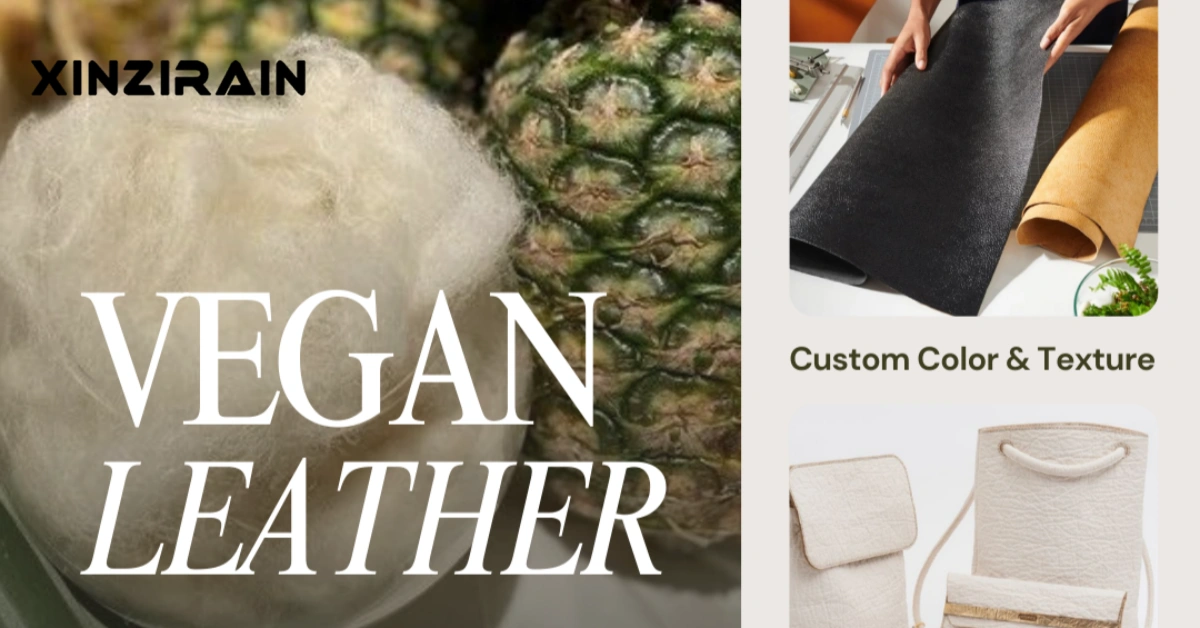
Vegan leather is an innovative material made from renewable resources such as pineapple leaves, cactus, and coffee grounds. Unlike traditional animal leather, it is:

  • Cruelty-free – No animal slaughter or byproducts.

  • Eco-friendly – Uses renewable, plant-based resources.

  • Lightweight & Durable – More portable than conventional leather.

  • Customizable – Tailored textures, colors, and finishes for unique brand identity.
    Vegan Leather & Mycelium Tech


The Role of Mycelium Technology

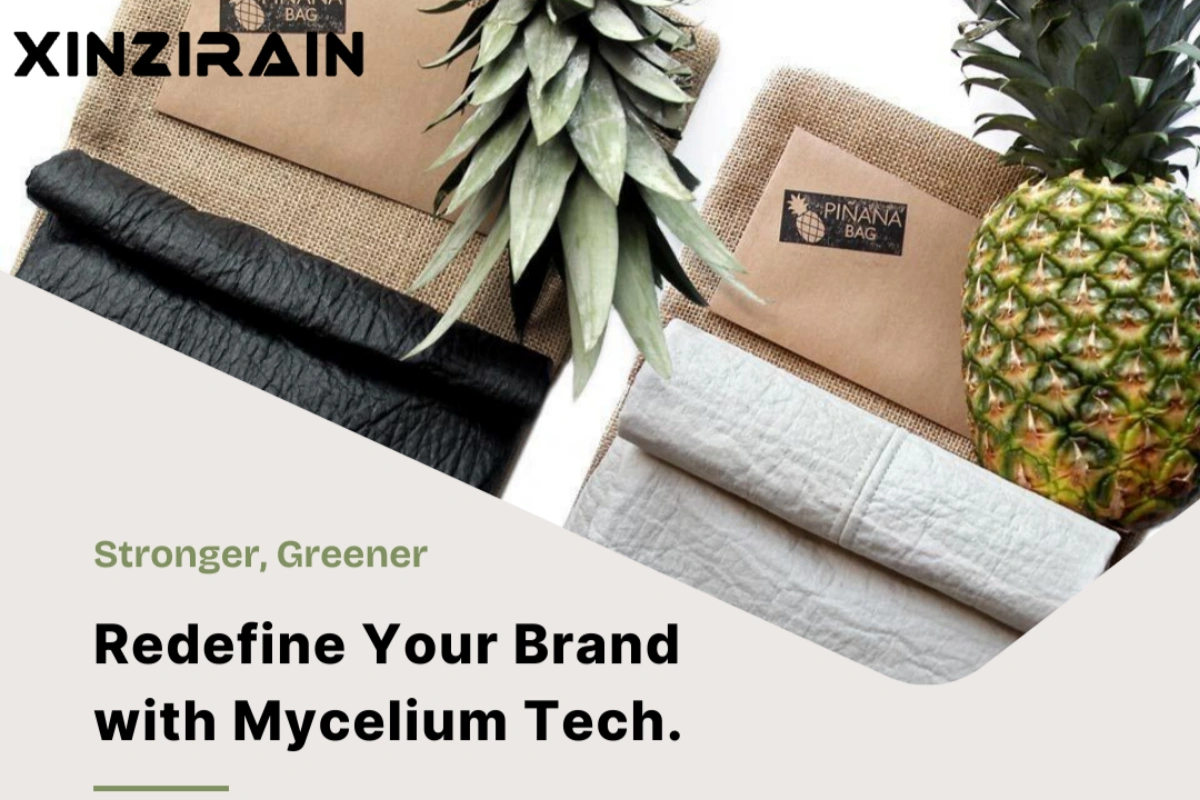
Mycelium tech, derived from mushroom roots, is revolutionizing the materials market. Stronger and greener, it offers brands an opportunity to stand out with innovative, bio-based alternatives.
Benefits include:

  • Renewable sourcing with minimal environmental footprint.

  • Enhanced strength and flexibility for shoes and bags.

  • Alignment with consumer demand for sustainability and ethical products.


Customization & Brand Differentiation

At XINZIRAIN, we understand that every brand has its own story. That’s why we provide:

  • Private Label Services – Add your custom logos and branding.

  • Flexible Prototyping – From sketches to finished samples.

  • Scalable Production – Supporting startups with small MOQ and global brands with mass orders.

  • Bespoke Packaging – Complete solutions to enhance brand presentation.


Why Partner with XINZIRAIN?

With over 20 years of manufacturing experience, we combine multi-generational craftsmanship with modern sustainable practices. Our clients span Europe, North America, and beyond, trusting us for:

  • High-quality OEM & ODM services

  • Eco-friendly material innovation

  • Reliable global logistics (sea, air, and express delivery)

  • Commitment to sustainability and fair trade


The future of fashion belongs to brands that embrace sustainability and customization. By choosing vegan leather and mycelium tech, your brand can appeal to eco-conscious consumers while standing out in the competitive global market.

At XINZIRAIN, we bring your designs to life — Your Vision. Our Expertise.
XINZIRAIN Disclaimer

The content above is provided by XINZIRAIN for informational purposes. Unauthorized reproduction is prohibited. See our full disclaimer here

Featured Blogs

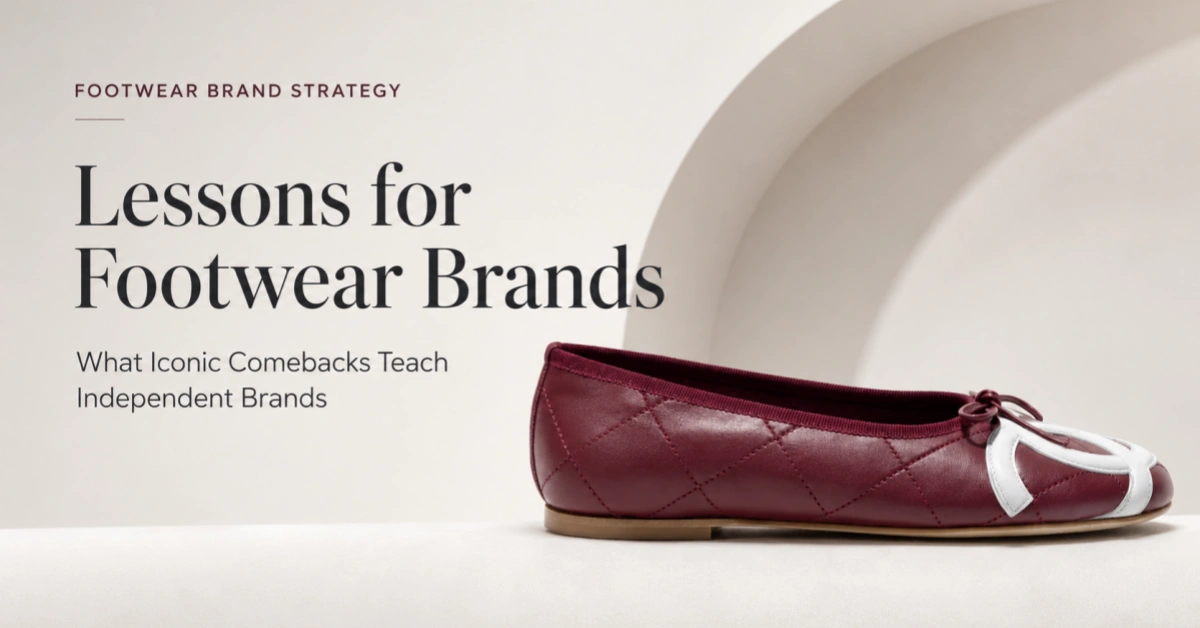
Chanel Is Back: What the Cambon Revival Teaches Independent Footwear Brands

Chanel Is Back: What the Cambon Revival Teaches Independent Footwear Brands

Chanel's return to the top of fashion offers more than a trend story. The renewed attention around Cambon footwear reveals how recognizable product codes, archive design and modern product development can create lasting brand value. Here is what independent footwear brands can learn when developing their own signature products.

Read More
Why Does Bulk Production Take So Long? A Brand's Guide to Avoiding Mass Production Delays

Why Does Bulk Production Take So Long? A Brand's Guide to Avoiding Mass Production Delays

Mass production delays usually stem from process gaps, not factory capacity. A healthy lead time for footwear and handbags is 30–45 days. This guide identifies 7 critical pitfalls—from unverified material stock to missing mid-line QC—that silently push timelines to 90+ days. Learn how to front-load technical audits, use 72-hour 3D prototyping, and implement shared production calendars to eliminate root causes of delays. Stop settling for "it just takes time" and start protecting your retail launch window with an engineered manufacturing process.

Read More
Why 90% of Shoe Brands Fail at the Prototyping Stage?

Why 90% of Shoe Brands Fail at the Prototyping Stage?

Prototyping is the most critical hurdle for emerging shoe brands. This guide explores why 90% of startups fail at this stage—ranging from poor last engineering to the absence of a technical tech pack—and provides actionable insights to ensure your shoe line moves successfully from sketch to shelf with technical precision and market readiness.

Read More
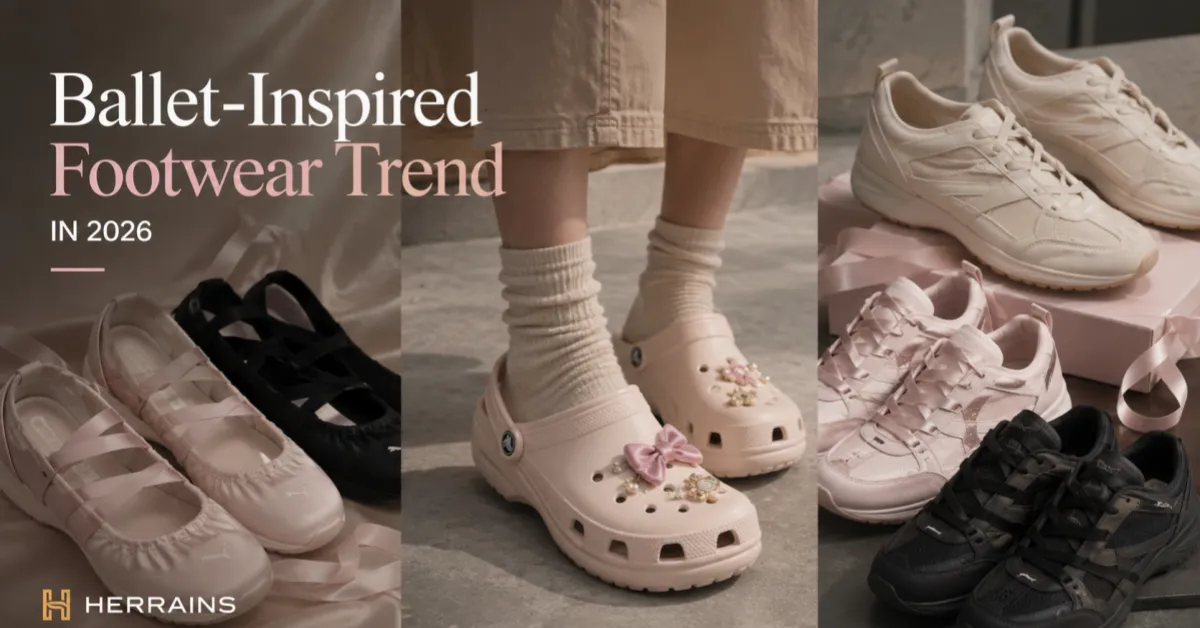
Ballet-Inspired Footwear Trend in 2026: Crocs, Keen, and Street style sneakers Take the Stage

Ballet-Inspired Footwear Trend in 2026: Crocs, Keen, and Street style sneakers Take the Stage

In 2026, ballet aesthetics are transforming clogs, water shoes, and Street style sneakers. Discover how Crocs, Keen, adidas, and PUMA blend comfort, style, and versatility, creating cross-category footwear trends.

Read More
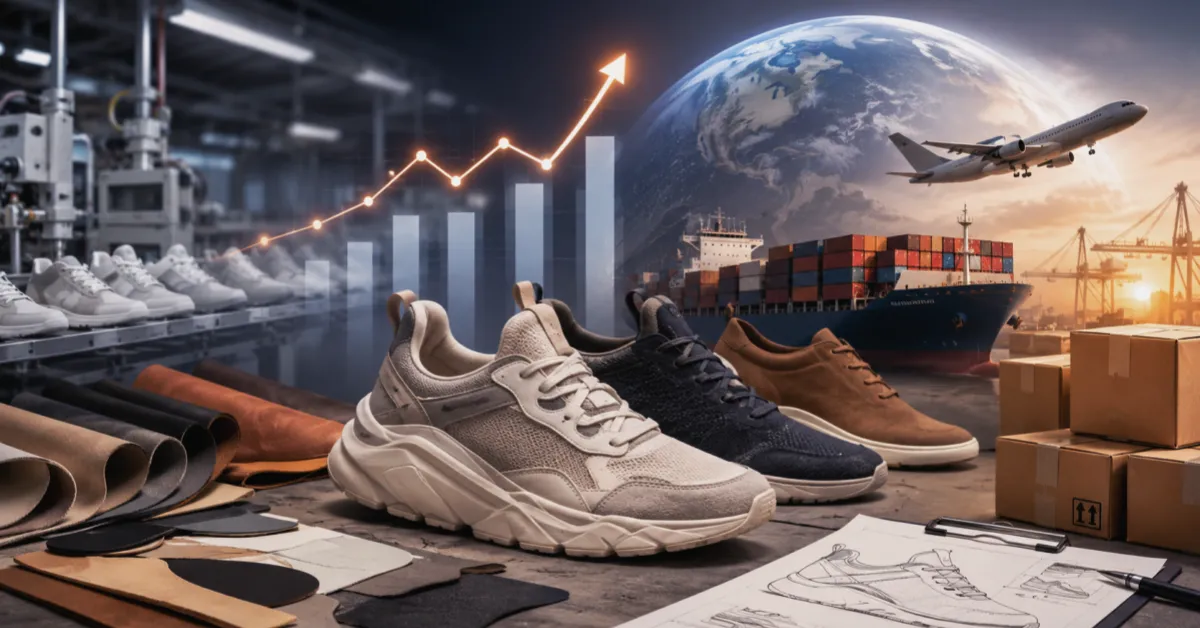
Why Shoe Prices Keep Rising in 2026 — And What Global Brands Should Prepare For

Why Shoe Prices Keep Rising in 2026 — And What Global Brands Should Prepare For

Global shoe prices continue rising in 2026 as manufacturing, shipping, and material costs increase worldwide. Explore the latest footwear industry trends, supply chain challenges, and how OEM manufacturers are helping brands adapt faster.

Read More
Chanel Coco Beach 2026: What Matthieu Blazy’s First Summer Collection Means for Fashion Brands and Manufacturers

Chanel Coco Beach 2026: What Matthieu Blazy’s First Summer Collection Means for Fashion Brands and Manufacturers

An in-depth analysis of the Chanel Coco Beach 2026 collection and what it reveals about global handbag, footwear, and resortwear manufacturing trends for fashion brands, OEM suppliers, and private label businesses.

Read More